When someone you love is struggling with addiction or mental health challenges, it can be confusing, overwhelming, and isolating. Questions arise, emotions run high, and many families are left wondering how to help without causing harm or how to take care of themselves along the way.
Aliya Health Group’s family programming meets families where they are. Through compassionate education, guided support, and meaningful connection, we help loved ones better understand the recovery process and their role within it. Our programming offers practical tools, clear information, and a supportive environment so families can move forward with greater confidence, healthier boundaries, and renewed hope.

Recovery is not a journey meant to be taken alone. When individuals and families are supported, healing becomes stronger, more sustainable, and more deeply rooted.



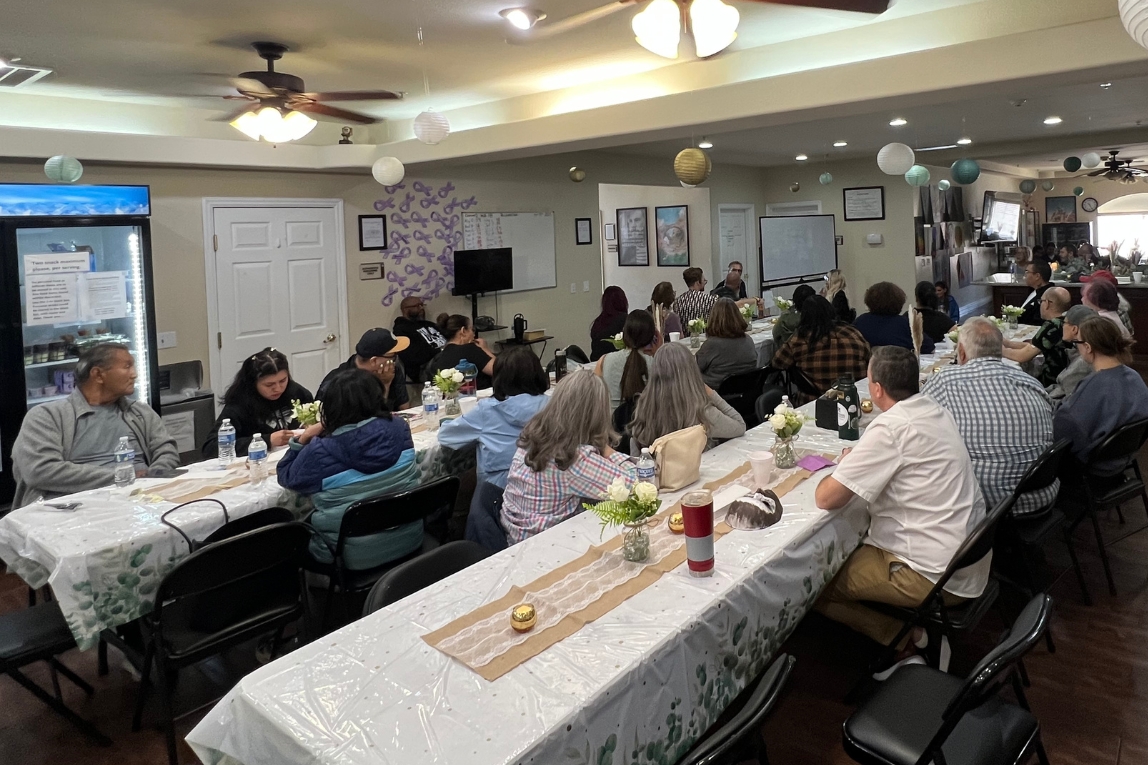
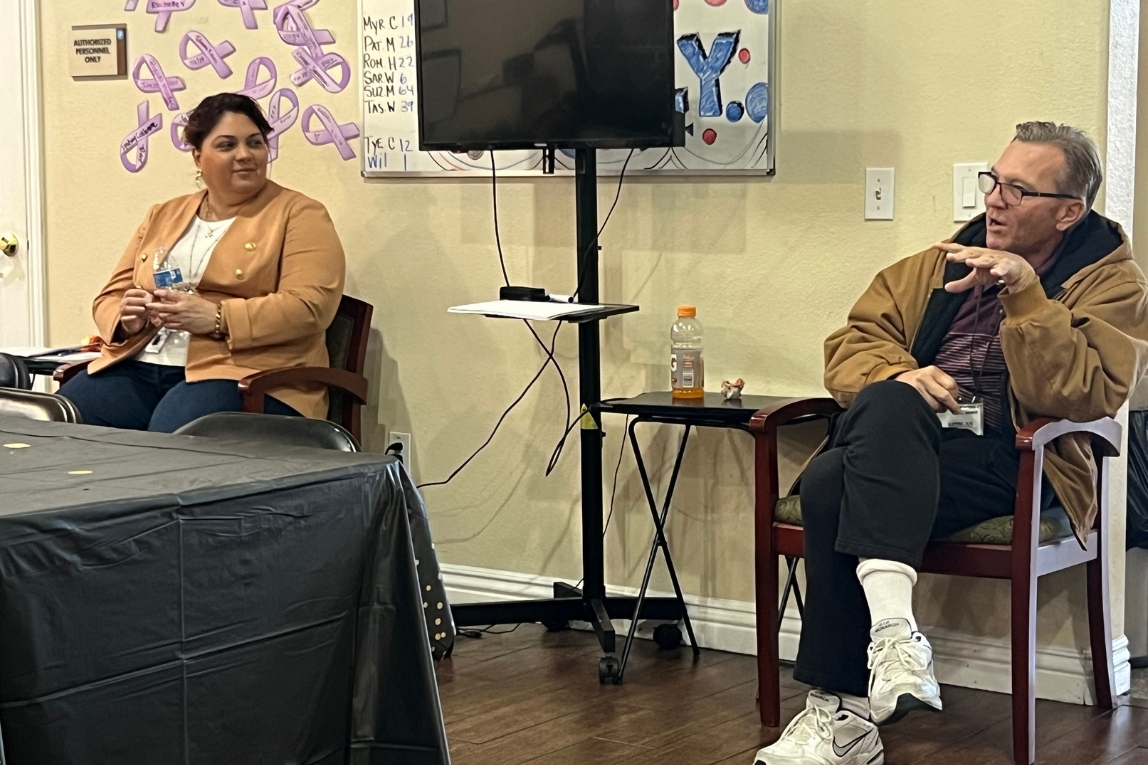
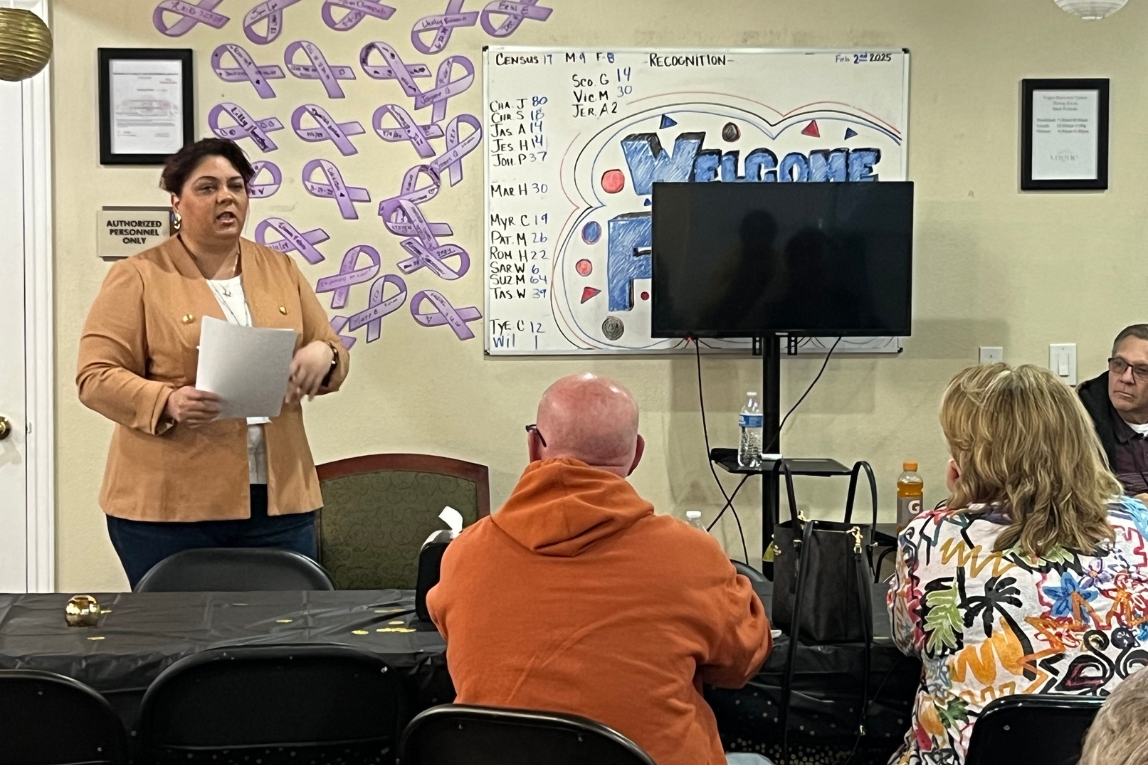


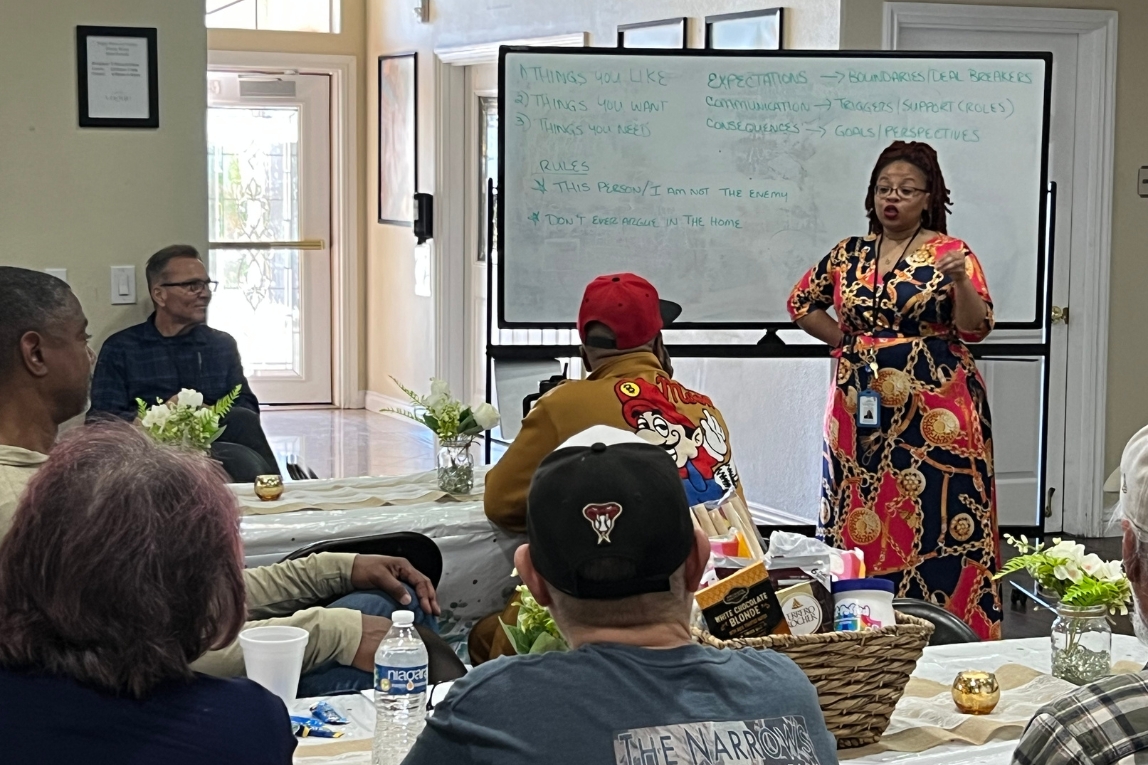




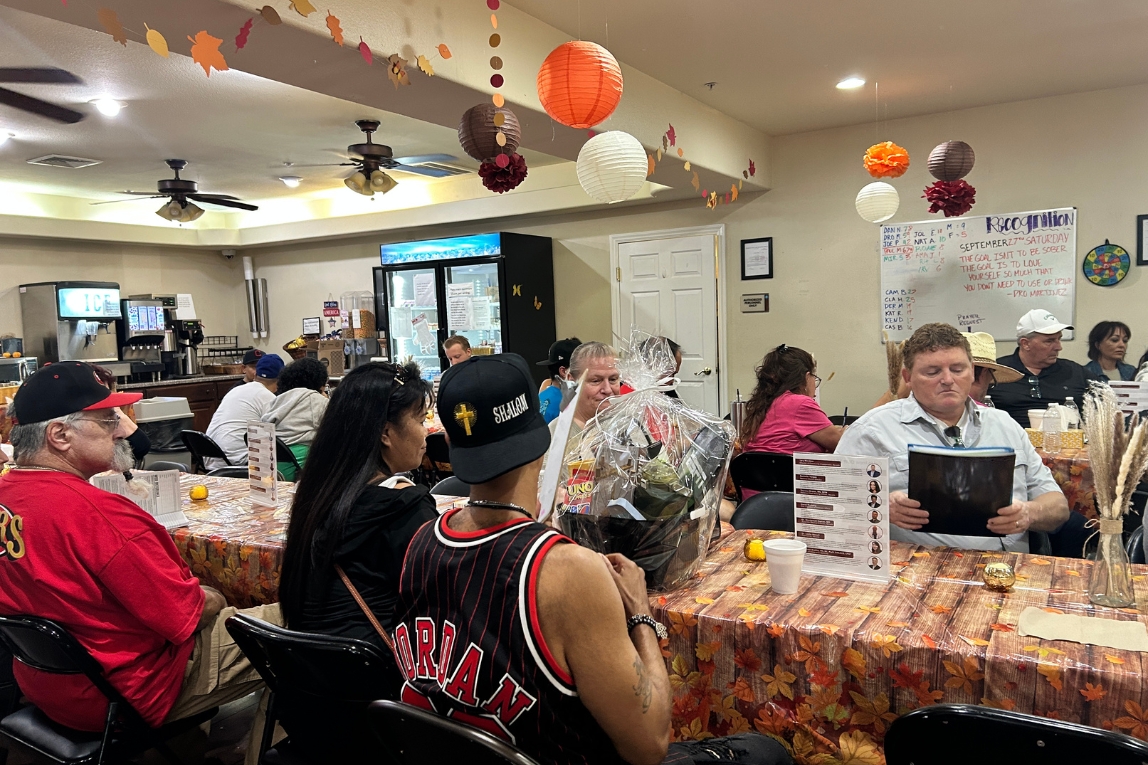

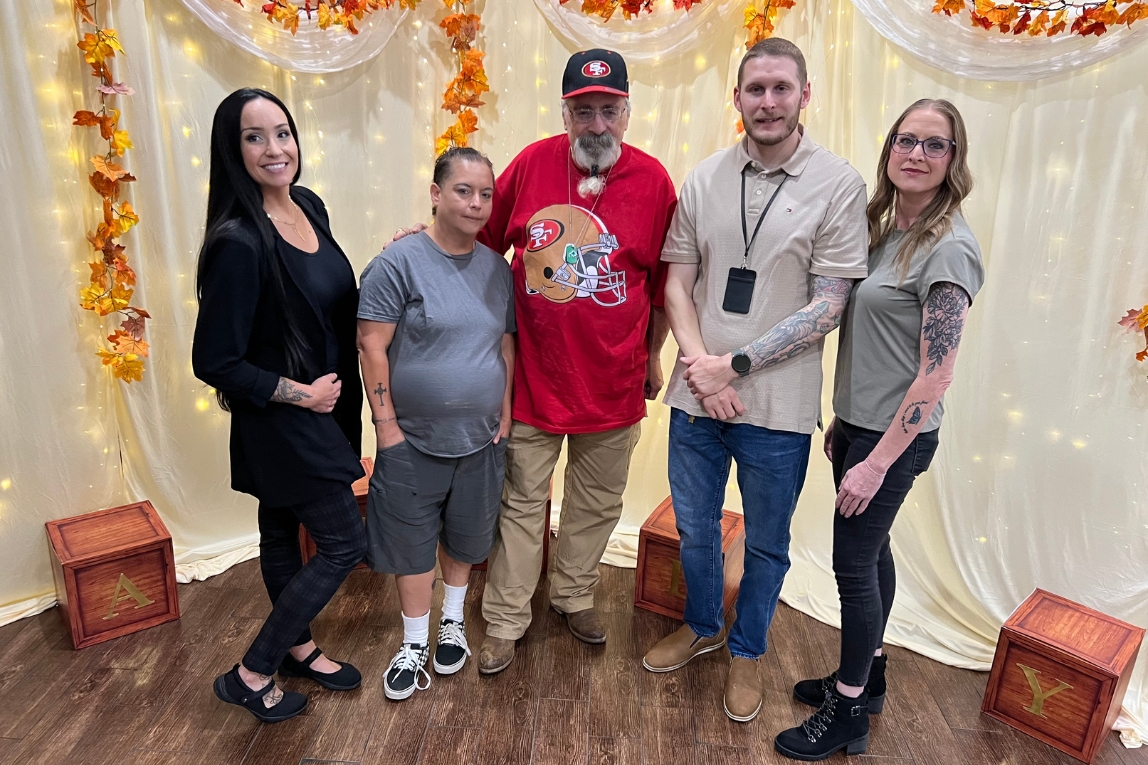
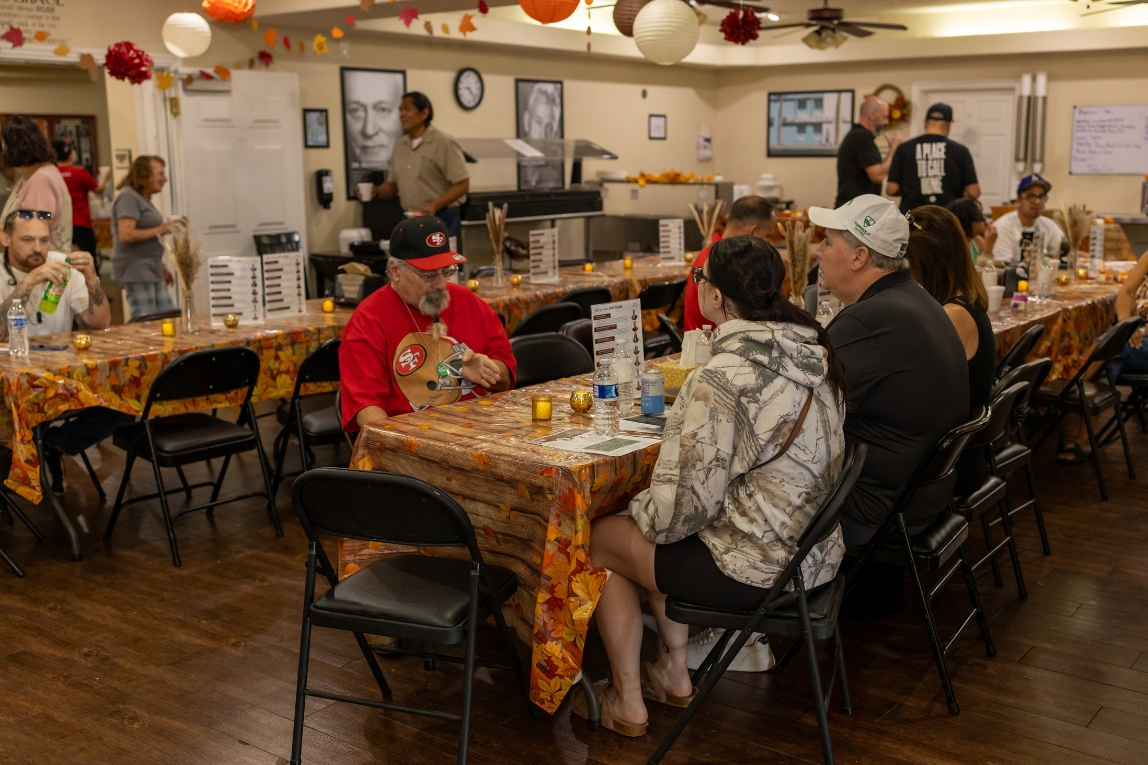
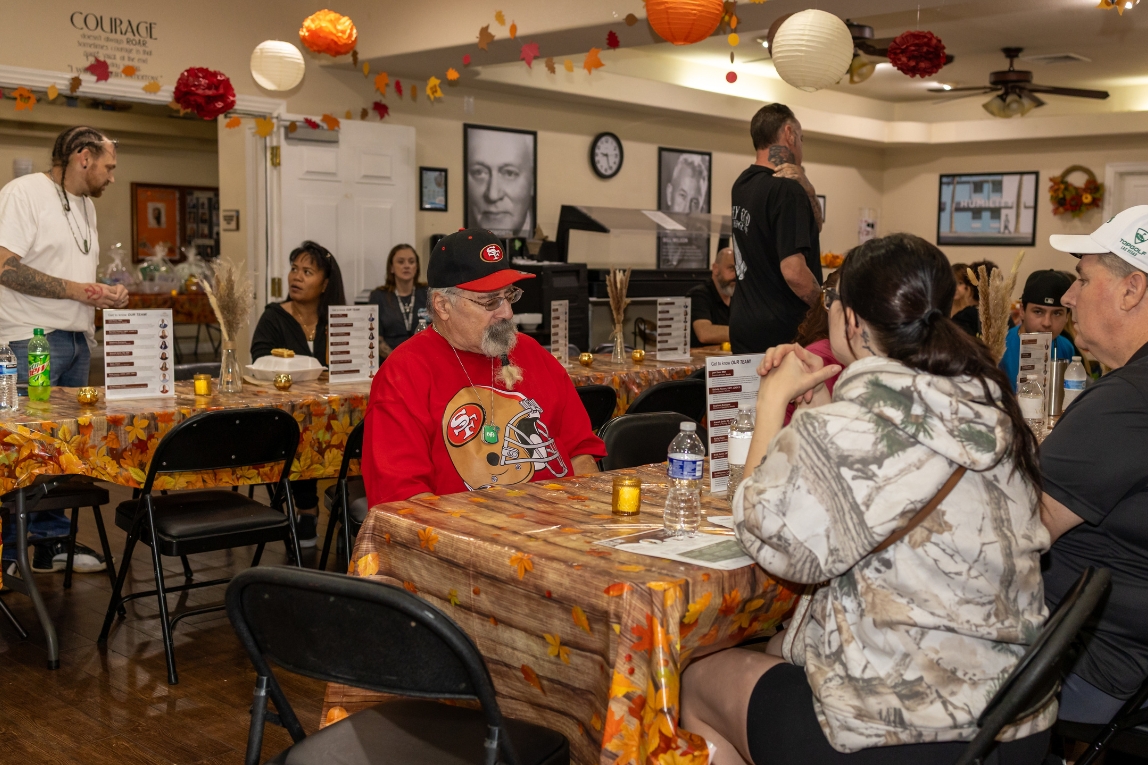

What Is Family Programming?
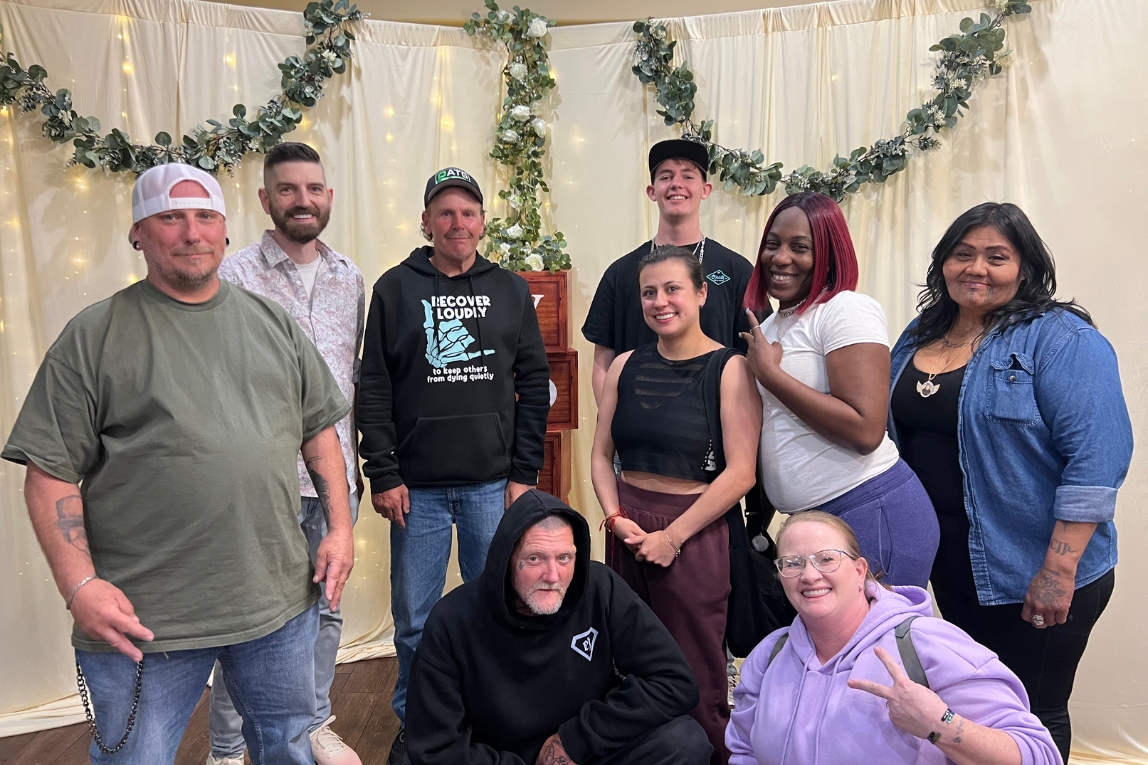
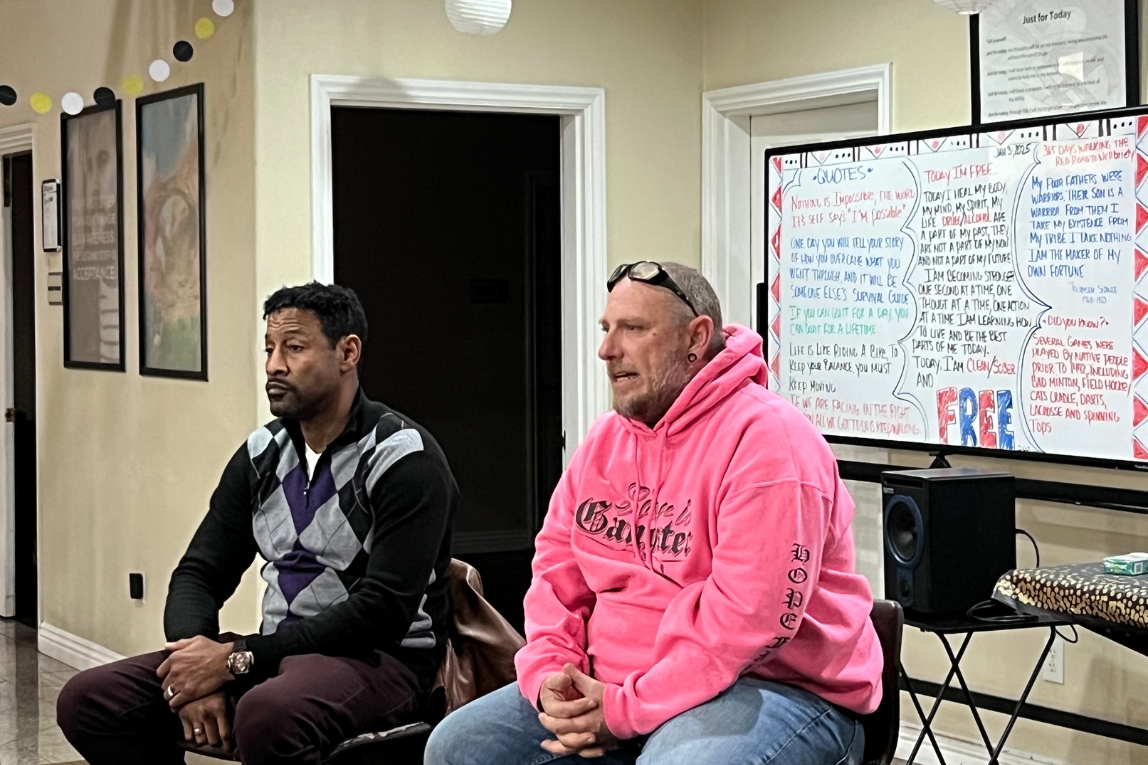
Family programming at Aliya Health Group is a structured, supportive offering created to help families better understand addiction, mental health conditions, and the recovery journey.
Rather than focusing only on the individual in treatment, our family programming recognizes the vital role loved ones play in long-term healing. Through ongoing education, facilitated support, and meaningful connection, families gain the tools and insight needed to support recovery while also caring for their own well-being.
Family Support Groups & Education Sessions
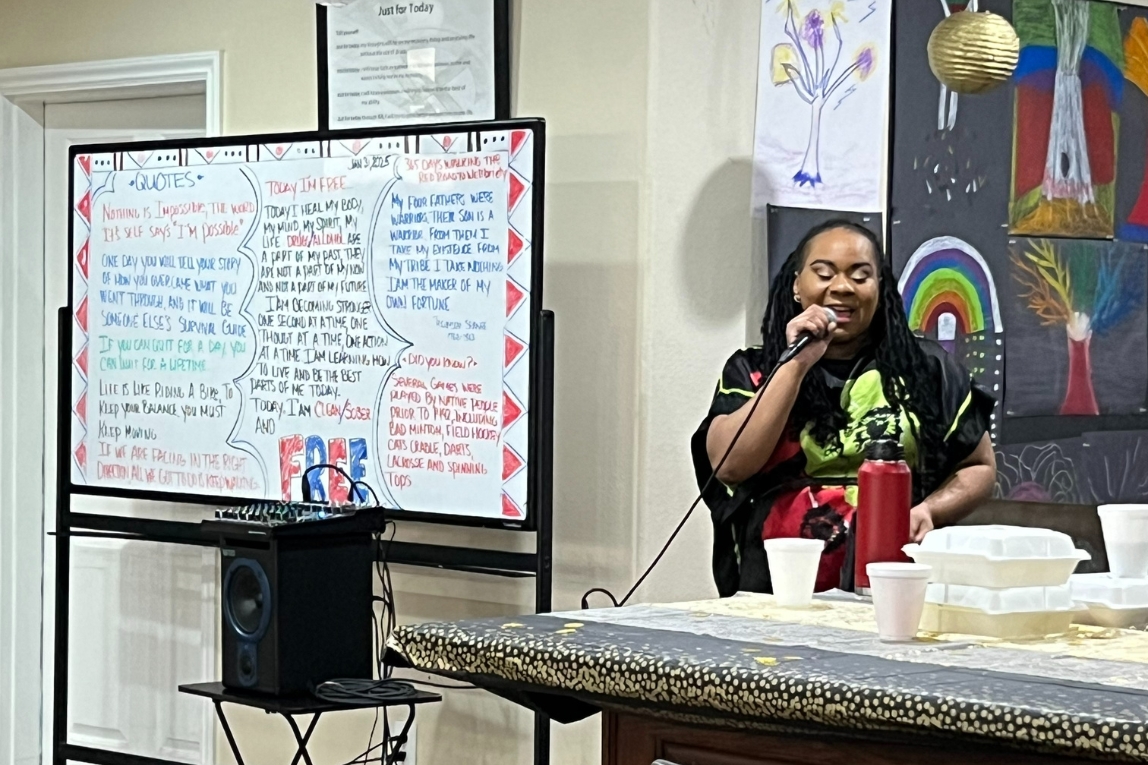
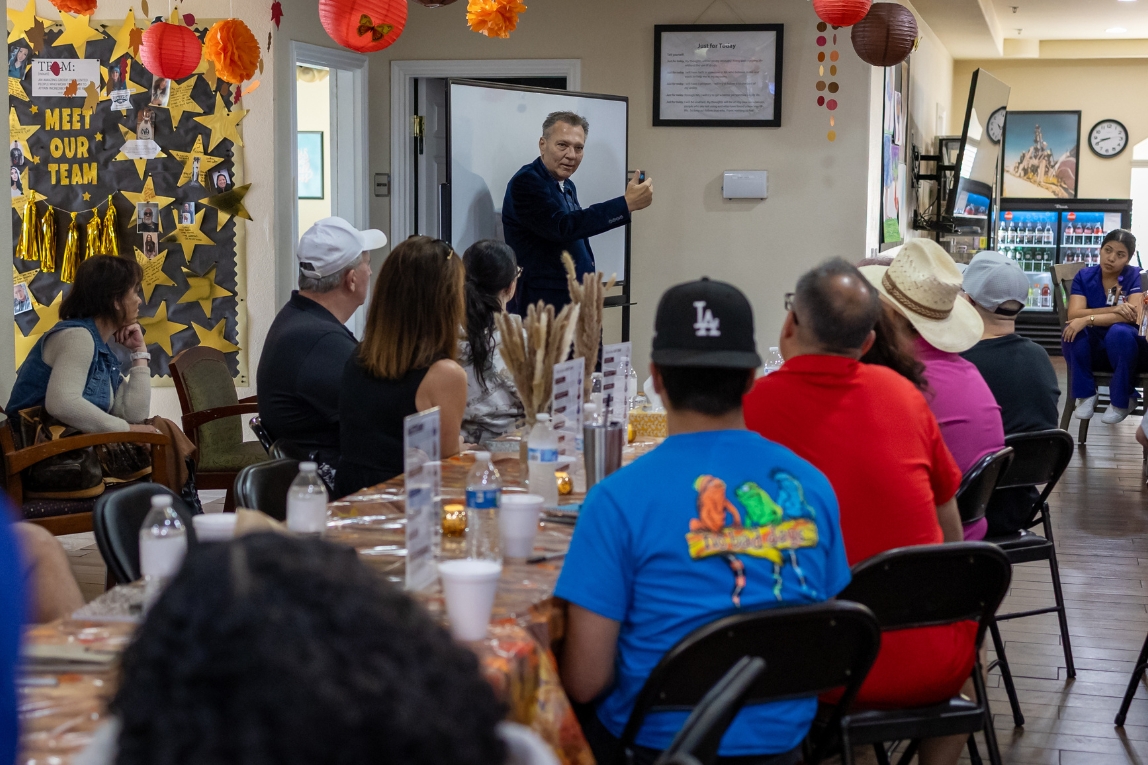
Our family information and support sessions, run by Rachelle Vargas, National Alumni Director, are designed to provide families with essential knowledge, guidance, and community connection.
During each session, families can expect:
- Educational discussions focused on addiction, mental health, and recovery.
- Practical guidance on supporting a loved one in treatment or seeking care.
- A supportive space to connect with other families navigating similar challenges.
- Contact information for the Aliya admissions team, who are available to answer questions and offer guidance on treatment options and next steps.
These sessions are open to parents, partners, siblings, and other supportive loved ones seeking clarity, reassurance, and community.
Family Weekends: In-Person Connection & Healing
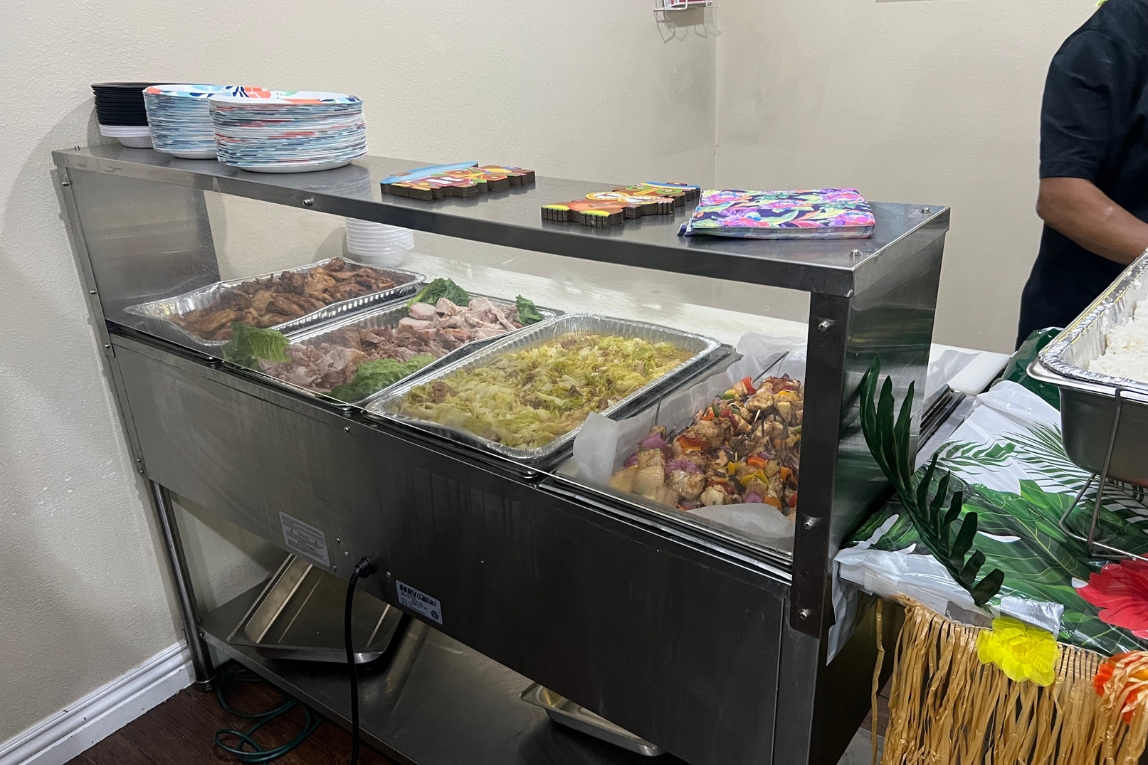
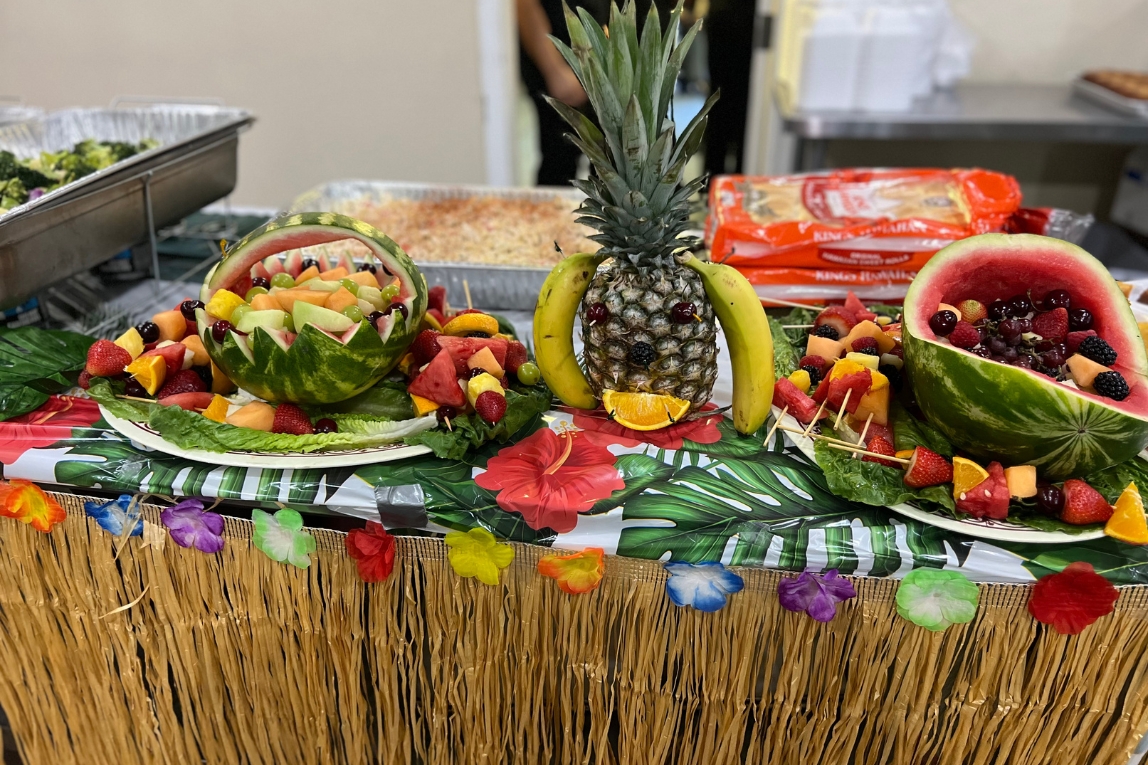
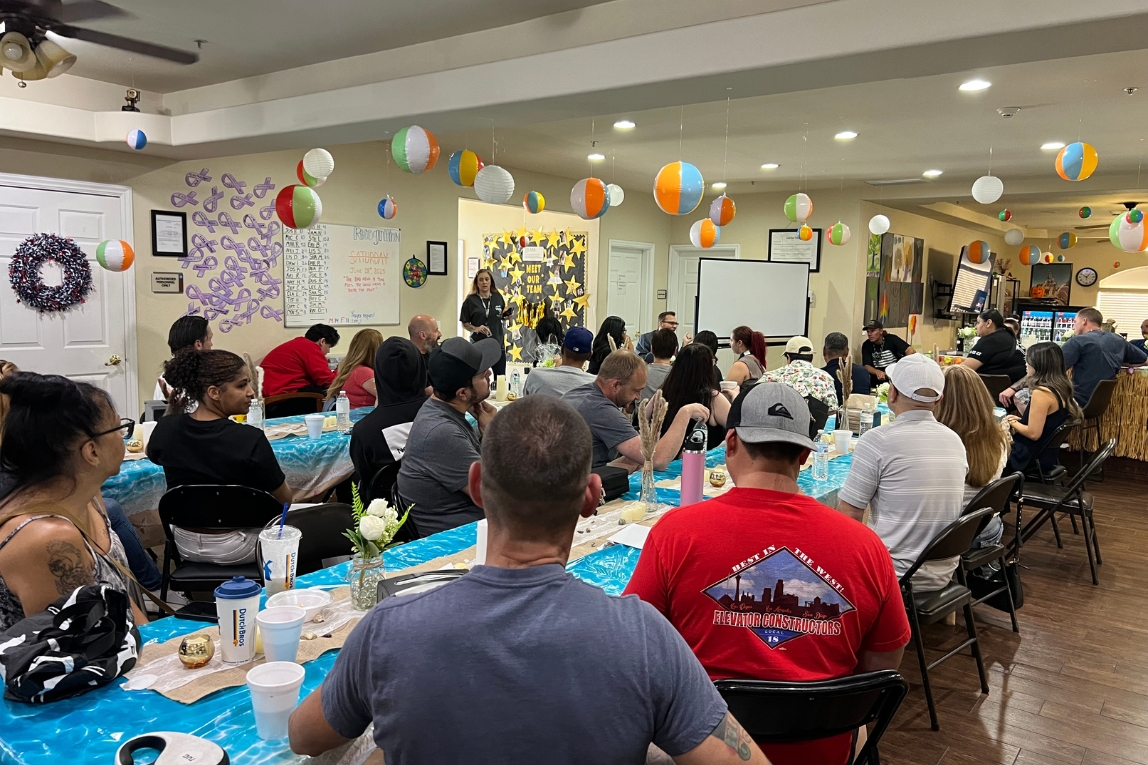
In addition to ongoing virtual programming, Aliya Health Group hosts annual Family Weekends at treatment locations nationwide.
These in-person events help to:
- Strengthen understanding between clients and their families.
- Encourage healthy communication and reconnection.
- Provide education in a more immersive, shared environment.
- Support healing at both the individual and family levels
Family Weekends offer a meaningful opportunity for loved ones to engage in the recovery process, build connection, and better understand how to support continued healing beyond treatment.
Clinical recommendations and program availability guide participation in Family Weekends.
Join Our Online Community!
To find out more about our upcoming Family Support Groups, Education Sessions, and Family Weekends, connect with us through our private Facebook group!
What to Expect & Benefits of Family Programming
Aliya Health Group’s family programming provides education, guidance, and support for loved ones affected by addiction and mental health challenges. These sessions help families understand recovery, strengthen communication, and build a supportive environment that fosters hope, healing, and long-term success.
Families receive clear, evidence-based education on substance use and co-occurring mental health conditions. Participants will learn:
- How addiction affects the brain, behavior, and relationships
- Common mental health conditions and their impact on recovery
- The stages of treatment and recovery
- How family involvement supports long-term healing
This knowledge empowers families to respond with clarity, empathy, and informed guidance.
Family programming teaches practical skills for interacting with a loved one in recovery:
- Communicating openly and empathetically
- Setting healthy boundaries without guilt or conflict
- Supporting recovery while maintaining personal well-being
- Avoiding enabling behaviors while fostering independence
These tools strengthen family relationships and support healthier long-term outcomes.
Families gain the opportunity to connect with others navigating similar challenges:
- Share experiences and strategies in a supportive community
- Reduce feelings of isolation and confusion
- Build emotional resilience and confidence in their role as a supporter
Participants receive actionable strategies and resources for daily life:
- Guidance for encouraging healthy habits and routines
- Education on relapse prevention and crisis response
- Access to Aliya Health Group’s educational materials and supportive resources
When families are educated, supported, and connected:
- They can contribute positively to their loved one’s recovery
- Foster stronger, healthier family dynamics
- Help improve long-term outcomes for both the individual and the family
Family Visitation
At Aliya Health Group, we understand the importance of family involvement in the recovery process. We believe that having a strong support system can make a significant impact on one’s journey to sobriety. That is why we are dedicated to providing opportunities for our patients to connect with their loved ones during their stay with us. To do so, our network of treatment centers allows for family visitation at select locations.
See our family visitation guide below:

We believe that family support plays an integral role in a successful recovery journey and are committed to providing opportunities for meaningful connections with loved ones during this difficult time.
Please note that all visitations require clinical approval and adherence to our strict policies to ensure the safety and well-being of our patients. These policies are subject to change at any time, and we appreciate your understanding and cooperation.
Frequently Asked Questions (FAQ)
Families often have questions about addiction, mental health, and how best to support a loved one in recovery. Below are answers to the most common questions, covering both our family programming and general education about substance use and mental health.
Family programming is open to parents, partners, siblings, and other supportive loved ones. Clinical recommendations and client consent guide participation. Sessions are educational and supportive, not a replacement for therapy.
The Virtual Family Support Groups are Aliya Health Group’s quarterly family education and support session led by Rachelle Vargas, National Alumni Director. These sessions provide families with guidance, education, and community support, as well as access to the admissions team for general information about treatment options.
Family Weekends are annual in-person events held at select treatment locations nationwide. They offer immersive education, guided activities, and opportunities to strengthen family relationships and understanding of the recovery process: clinical recommendations, program availability, and client consent guide attendance.
Families may attend educational sessions and support groups without sharing private clinical information. Access to specific treatment details requires the client’s consent. All programming complies with HIPAA and other confidentiality regulations.
We value the privacy and confidentiality of our patients, and as such, all visitations must be approved by our clinical team following the patient’s agreement and release of information (ROI) for each visitor. This ensures that our patients are receiving the best care possible and that their well-being is always our top priority.
Research shows that educated, supportive, and engaged families improve treatment outcomes, reduce relapse risk, and strengthen long-term relationships.
Addiction is a chronic medical condition that affects the brain and behavior. It involves compulsive substance use or engagement in harmful behaviors despite adverse consequences. Addiction impacts not only the individual but also families and relationships.
Substance use alters the brain’s reward and decision-making systems, making cravings and compulsive behaviors difficult to control. These changes can affect memory, mood, judgment, and behavior. Understanding this helps families respond with empathy rather than judgment.
Yes. Addiction is treatable, and recovery is possible. Evidence-based treatment often includes therapy, counseling, support groups, medication (if needed), and family involvement. Recovery is a long-term process, and family support significantly improves outcomes.
Supporting a loved one means helping them while maintaining healthy boundaries. Families are encouraged to:
- Communicate clearly and empathetically.
- Set limits around harmful behaviors.
- Encourage treatment and healthy habits.
- Care for their own emotional and physical well-being.
Family programming offers practical strategies for doing this effectively.
Signs vary by substance, but typical indicators include:
- Changes in mood, energy, or behavior
- Neglecting responsibilities at work, school, or home
- Secretive or deceptive behavior
- Physical changes, including appearance, sleep, or appetite
Yes. Many individuals experience co-occurring disorders, such as depression, anxiety, PTSD, or bipolar disorder. Integrated treatment that addresses both addiction and mental health is often the most effective approach.
Caring for yourself is essential. Families are encouraged to:
- Seek their own support through education, therapy, or peer groups
- Practice self-care routines
- Set boundaries to prevent burnout
- Participate in family programming to gain guidance and support from the community
Resources for Families
Looking for family resources? Here is a list of helpful online resources for families:
- Al‑Anon Family Groups – Support for families and friends of individuals with alcohol use issues
- Nar-Anon Family Groups – Support for families and friends of individuals with drug addiction
- National Alliance on Mental Illness (NAMI) Family Support – Support for families affected by mental health conditions
- Substance Abuse and Mental Health Services Administration (SAMHSA) – National helpline, treatment locator, and educational resources
- Partnership to End Addiction – Help & Resources for Families – Guidance for families of teens and adults struggling with substance use
- Mental Health America – Family & Caregiver Resources – Guides and support for families supporting loved ones with mental health or substance use challenges
- How we can help
- Programs and locations
- Payment options
Sign Up for Aliya Health Group's Newsletter
To stay up to date with Aliya Health Group, follow the link below to sign up for our Newsletter.
Connect with us:
We can help.