
Key Takeaways
- Isotonitazene is a highly potent synthetic opioid (nitazene class) originally developed in the 1950s but never approved for medical use due to its high overdose and addiction risk.
- It reappeared in the illicit drug supply around 2019 and has been linked to overdose deaths in the U.S. and internationally, often appearing in counterfeit pills or mixed drug supplies.
- The drug is extremely dangerous because of its potency and unpredictability, with effects similar to or stronger than fentanyl, causing rapid respiratory depression, coma, and death at very small doses.
- Most users are unaware they are taking it, since it is often mixed into other substances and cannot be identified without laboratory testing, increasing the risk of accidental overdose.
Question:
What is the drug Isotonitazene?
Answer:
Isotonitazene is a powerful synthetic opioid in the nitazene class that was first developed in the 1950s but never approved for medical use because of its extreme overdose risk. It re-emerged in the illicit drug supply around 2019 and has since been detected in counterfeit pills and mixed drug products across the U.S. and other countries. According to the article, it is considered comparable to or even stronger than fentanyl in potency, meaning only tiny amounts can suppress breathing and quickly lead to coma or death. A major concern is that users often do not know they are consuming it, since it is commonly mixed with other drugs and cannot be detected without specialized laboratory testing. This hidden presence significantly increases the risk of accidental overdose. The article also emphasizes that isotonitazene acts on the central nervous system, and its respiratory-depressing effects are the primary cause of fatal outcomes in overdose cases, making it especially dangerous.
In the fall of 2019, a new synthetic opioid made its debut in the U.S. The drug, called isotonitazene (ISO), is as dangerous and deadly as fentanyl, prompting the U.S. Drug Enforcement Administration (DEA) to send out national warnings nationwide. What exactly is ISO, and why is it such a threat in the world of opiates?
What Is Isotonitazene?
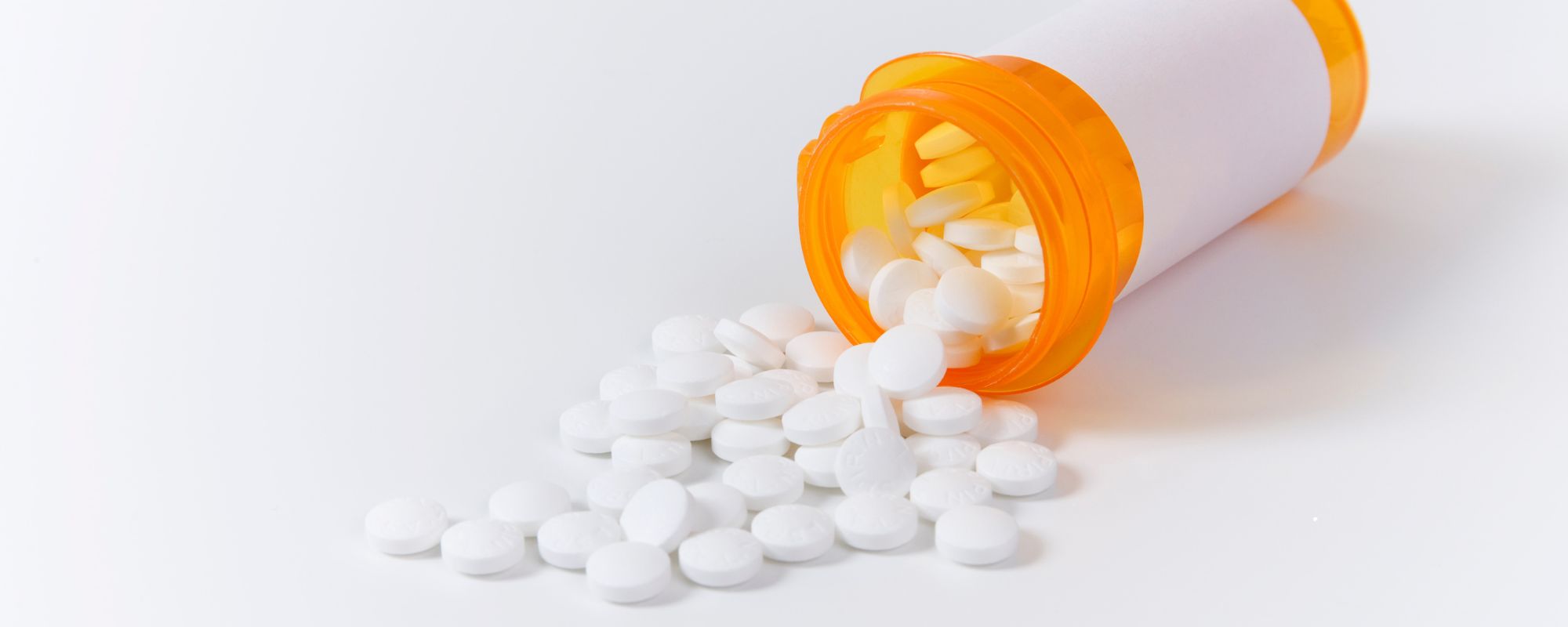
Isotonitazene (ISO) or “new fentanyl,” is one of the newest synthetic opioids gaining popularity within the world of designer drugs. ISO belongs to the benzimidazole class of opioids. Its potency is similar to fentanyl, and it can be found in pill form, powder, and liquid. Isotonitazene was first synthesized in the 1950s as an opioid alternative for medical use and remained in obscurity until 2019 when it was identified by authorities in the Midwest U.S. In 2020, the DEA classified ISO as a Schedule I substance.
The primary source of isotonitazene is China, where it’s manufactured, marketed, and then exported worldwide. It’s typically mixed with other drugs to create a more potent and cheaper end product. In 2022, the DEA reported that most of the ISO they analyzed was in the form of “cheap filler” for other illicit substances, such as heroin, or sold as counterfeit versions of opioids like hydromorphone.
The population that’s likely to abuse isotonitazene appears to be the same as those abusing prescription opioid analgesics, heroin, tramadol, fentanyl, and other synthetic drugs. As with many synthetic opioids, isotonitazene’s effects range from euphoria and numbness to breathing difficulty, coma, and death.
Why Is Isotonitazene Dangerous?
The major concern is that the potency of isotonitazene can—and has—caused deadly overdoses in unsuspecting victims. While there’s still limited study data available because ISO is so new to the scene, overdose deaths involving the drug have been reported in Europe, Canada, and the midwestern U.S.
Because isotonitazene is produced and distributed illegally, many users are unaware of its strength and potential risks. People can unwittingly consume doses that far exceed safe limits, increasing the likelihood of unintentional overdoses and other health risks. The drug acts on the central nervous system, depressing respiratory function. This effect, coupled with its potency, heightens the risk of respiratory failure—a critical factor in each fatal opioid overdose.
Tragically, many overdose victims have no idea they’re ingesting this dangerous and extremely potent drug. According to the DEA, ISO currently can only be properly identified after a lab test, so most people don’t realize they’re buying it until it’s too late.
Why Is Isotonitazene Dangerous?
The major concern is that the potency of isotonitazene can—and has—caused deadly overdoses in unsuspecting victims. While there’s still limited study data available because ISO is so new to the scene, overdose deaths involving the drug have been reported in Europe, Canada, and the midwestern U.S.
Because isotonitazene is produced and distributed illegally, many users are unaware of its strength and potential risks. People can unwittingly consume doses that far exceed safe limits, increasing the likelihood of unintentional overdoses and other health risks. The drug acts on the central nervous system, depressing respiratory function. This effect, coupled with its potency, heightens the risk of respiratory failure—a critical factor in each fatal opioid overdose.
Tragically, many overdose victims have no idea they’re ingesting this dangerous and extremely potent drug. According to the DEA, ISO currently can only be properly identified after a lab test, so most people don’t realize they’re buying it until it’s too late.
What Are the Signs and Symptoms of Synthetic Opioid Abuse?
Identifying the signs and symptoms of isotonitazene abuse is important for early intervention. Synthetic opioid abuse can cause:
Respiratory Distress: Users may experience noticeable respiratory issues, such as shallow, labored, severe, or stopped breathing. Severe cases may result in respiratory arrest or loss of consciousness.
Psychological Disturbances: Users may have heightened anxiety, paranoia, or hallucinations, reflecting the impact of synthetic opioids on mental health. These psychological symptoms can create erratic behavior and impaired decision-making.
Gastrointestinal Disturbances: Persistent nausea, vomiting, and digestive issues can contribute to malnutrition and overall physical deterioration.
Skin Abnormalities: ISO can cause skin issues such as itching, rashes, or noticeable changes in complexion.
Physical Signs of Opioid Misuse: Pinpoint pupils can be a visible warning sign of opioid intoxication or overdose.
Social and Occupational Dysfunction: Individuals struggling with isotonitazene abuse may experience a decline in social relationships and occupational functioning. This could include isolation from friends and family, job loss, or academic difficulties.
Isotonitazene can also create rapid tolerance, which may lead some people to increase drug use to achieve the same effects and raises the risk of dependence. Research indicates that severe withdrawal symptoms can complicate the recovery process and increase the likelihood of relapse.
Recognizing these signs is crucial for healthcare professionals, friends, and family members to provide timely support and intervention for individuals grappling with isotonitazene abuse.
What Is Isotonitazene Treatment Like?
It’s important to note that seeking professional help is non-negotiable for effective isotonitazene addiction treatment. Anyone struggling with a substance use disorder related to ISO abuse requires a comprehensive and tailored approach to treatment, involving:
Medical detoxification, a supervised withdrawal process that helps the body clear substances while safely managing withdrawal symptoms
Inpatient or outpatient treatment
Counseling and therapy
Medication-assisted treatment (MAT)
Many people need disorder treatment that also addresses co occurring mental health conditions through integrated care. Dual diagnosis refers to having both a substance use disorder and a mental health condition, which can complicate treatment and recovery, often with more severe symptoms and higher relapse risk, so specialized treatment options are important.
Choosing the Right Opioid Rehab Center
It’s best to choose a rehab center that offers a full continuum of care for opioid addiction treatment. At Aliya Health Group, our treatment center also serves as a recovery center, providing coordinated services across levels of care. To treat opioid addiction, our clinical team offers unique levels of care for drug and alcohol addiction, including:
Insurance verification is a crucial step before entering treatment because it helps you understand coverage options and potential out-of-pocket costs.
Many treatment centers offer free insurance verification, and benefits can vary based on your insurance plan, including Medicaid or apple health coverage.
Medical Detox
Before you can move on to a brighter future, you must remove all the opioid drugs from your system. Medically supervised detox is a safe and effective way to treat withdrawal symptoms and make detox as comfortable as possible.
Residential Treatment
Inpatient recovery involves living full-time at our rehab center while you undergo treatment for synthetic opioids. The structure of inpatient programming allows you to focus your entire attention on getting sober while addressing mental health disorders that often co-occur with substance use disorders and can complicate recovery. Our team of clinicians creates a plan centered on personalized care that best suits your needs, including treatment for co-occurring disorders. A holistic approach to treatment combines evidence based therapies with trauma informed care in a supportive environment to help address past trauma and the root causes of addiction. Complementary supports such as yoga, meditation, art therapy, and nutritional counseling can promote overall well being and well being.
Partial hospitalization program (PHP)
PHP is a more flexible treatment option that still offers structure for recovery. You attend therapy five days per week while you live at home or in one of our sober living centers, which can support people who need structured treatment while continuing some daily responsibilities. The goal of a PHP is to build on the skills and tools learned in residential treatment to begin the transition back to normal life. This level of care can also support long term recovery and help clients regain control as they transition out of residential treatment.
Intensive outpatient program (IOP)
Another step down in intensity from a PHP, an IOP is a form of outpatient care that provides regular substance use treatment and meetings at a rehab center while letting you keep up with daily life, but usually fewer days per week and for a shorter duration. The focus is on preparing you to re-enter your normal life free from the pitfalls of substance abuse.
Outpatient Program
Outpatient rehab is one of the last steps in recovery, and intensive outpatient programs often involve about 9 hours of treatment per week. It’s considered a step down from intensive outpatient treatment, helping people balance recovery with work or family responsibilities. This level of care involves building on all the tools and coping skills learned throughout rehab through structured therapy, group counseling, peer support, and relapse prevention, and outpatient treatment at this stage may also include medication management and support services. It ensures you have what you need to remain sober and keep your mental health on an even keel after completing rehab.
Aftercare
Aftercare is for those who have completed opioid addiction treatment. It helps you maintain your sobriety, build a support network, and address ongoing challenges related to addiction.
If you or your loved one are struggling with synthetic opioid abuse, don’t wait. Contact Aliya Health Group today to take the first step toward a brighter future.
- https://www.unodc.org/LSS/Announcement/Details/2d09cc01-3272-45e1-a898-b98898b9215c
- https://www.dea.gov/stories/2022/2022-06/2022-06-01/new-dangerous-synthetic-opioid-dc-emerging-tri-state-area
- https://www.cdc.gov/nchs/nvss/vsrr/drug-overdose-data.htm
- https://www.ncbi.nlm.nih.gov/pmc/articles/PMC8141068/
- https://www.deadiversion.usdoj.gov/drug_chem_info/isotonitazene.pdf