Key Takeaways:
- Rehab for weed provides structured support for quitting marijuana, helping individuals manage withdrawal, detox safely, and break the cycle of cannabis addiction.
- Marijuana rehab programs offer various levels of care, including inpatient/residential, outpatient/day programs, and PHP/IOP, tailored to the person’s needs and lifestyle.
- Cannabis addiction treatment uses evidence-based therapies, such as CBT, MET, group therapy, and holistic approaches, to address psychological, behavioral, and social aspects of addiction.
- Rehab helps build long-term sobriety skills, including relapse prevention, coping mechanisms, healthy routines, life skills, and supportive peer networks.
Question:
Is there rehab for weed and how do marijuana treatment programs help?
Answer:
Marijuana, while increasingly legal and socially accepted, can lead to dependence and addiction, making quitting on one’s own difficult. Rehab for weed offers structured programs designed to support individuals through withdrawal and recovery. Professional marijuana rehab programs provide multiple levels of care to suit varying needs, including inpatient/residential programs for 24/7 supervision, outpatient or day programs for those balancing work or family, and partial hospitalization or intensive outpatient programs (PHP/IOP) that bridge the gap between inpatient and outpatient care.
Cannabis addiction treatment incorporates evidence-based therapies such as Cognitive Behavioral Therapy (CBT) to identify and reshape harmful patterns, Motivational Enhancement Therapy (MET) to build commitment to change, and group therapy or 12-Step programs like Marijuana Anonymous or SMART Recovery for peer support. Holistic approaches, including mindfulness, exercise, and stress management, help address the mind-body connection in recovery.
Rehab also focuses on detox and withdrawal management, as THC’s long presence in the body can produce symptoms like irritability, anxiety, insomnia, and cravings. By providing a safe, structured environment, rehab enables individuals to learn relapse prevention, adopt healthy coping mechanisms, restore life skills, and rebuild relationships. Overall, marijuana recovery programs empower people to achieve lasting sobriety and regain control over their lives.
What Is Marijuana?
Marijuana is one of the most widely used substances in the world. According to the National Center for Drug Abuse Statistics, 55 million (nearly 17%) of people currently use marijuana, with 45% of Americans admitting to trying it at least once. Its popularity, in tandem with itscontinued legalization across the country, has seen it become less stigmatized and more socially acceptable, a shift that may have once been inconceivable.
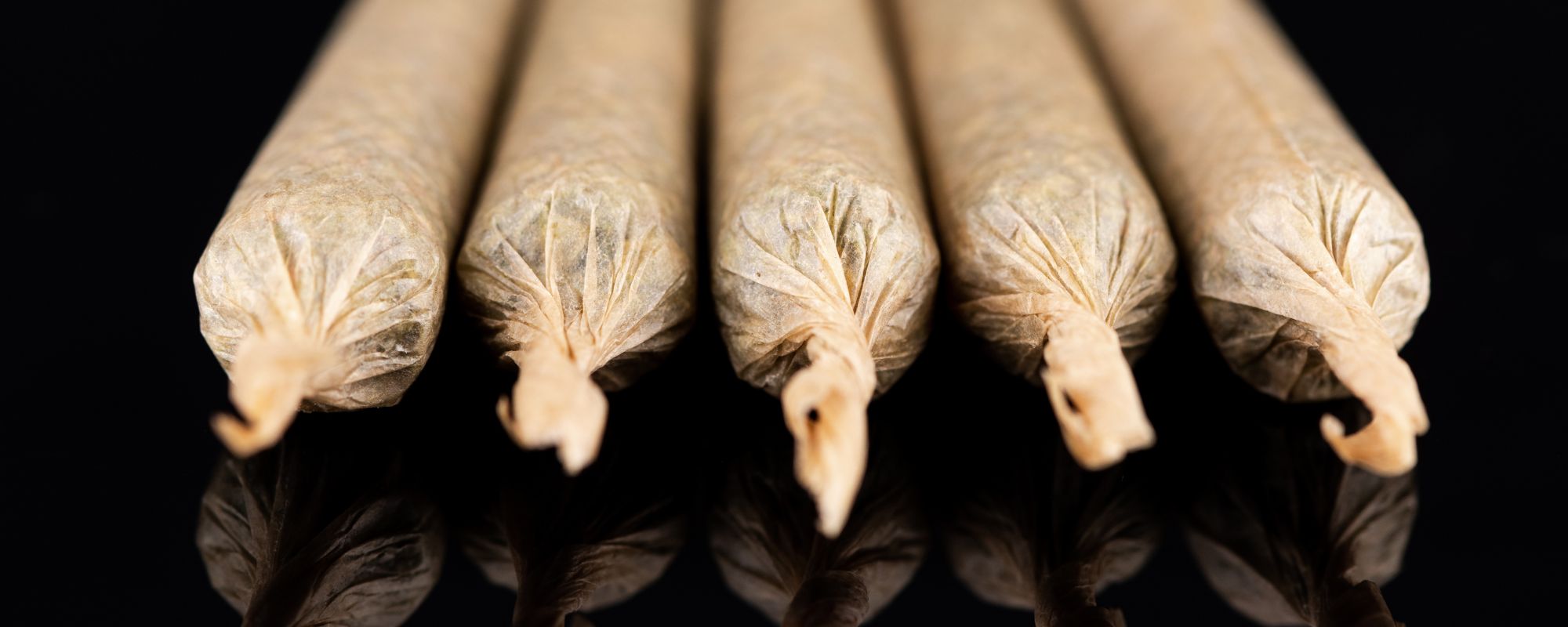
Though it’s persistently perceived as a harmless way to unwind, relax or even relieve pain, casual consumption of marijuana (in any form) can quickly become many things no user anticipates — a habit, a crutch, a vice, a dependency and, soon after, an addiction.
A joint or edible, once something occasional, goes from once a week to once every few days, to daily, to something you can’t function without. Quitting may seem easy in concept, but in practice, it’s easier to relapse despite one’s best efforts.
When marijuana use gets to the degree that it impacts your daily life or begins to affect your mental health, seeking help from a rehab center is something many people might react reluctantly to. And that’s completely understandable. Cannabis addiction treatment can come with its own preconceived notions and misconceptions that can keep someone stuck in the cycle of drug abuse. Many people underestimate the challenges of ceasing marijuana use, but professional rehab programs provide structured support to help individuals achieve long-term recovery.
How, why, when and where can rehab for weed help you? Help is a reality filled with multiple recovery options, so keep reading to learn more.
Signs You May Need Rehab for Weed
Knowing and discerning when marijuana has become a problem can be difficult to recognize. Even in light of chronic usage, many users may find themselves in denial that they have a problem or see their peers or others using cannabis without any issues. Take a look at some of these common signs that professional cannabis abuse help might be beneficial. Be honest with yourself, without judgment:
- Increased tolerance: Do you find yourself needing to smoke or consume more marijuana or weed to achieve the same effect that smaller amounts (when you began using it) once provided?
- Difficulty quitting marijuana or cutting down: Have you attempted to stop or reduce your usage independently, on your own, perhaps setting abstinence goals but finding yourself using again despite your best intentions?
- Life interference: Has marijuana use begun to negatively affect your performance at work, your grades in school or your relationships with loved ones?
- Withdrawal symptoms: When you aren’t using, do you quickly feel irritable, anxious or have trouble sleeping, which compels you to use again to avoid these feelings?
Get confidential help from our addiction and mental health treatment facilities located across the United States. Call to join one of our quality programs today!
Speak With Our Admissions TeamWhat Rehab for Weed Looks Like
Marijuana rehab programs follow what’s called a continuum of care, different levels of treatment designed for different means. That means drug rehab for pot offers different options for you to choose from depending on your own individual diagnosis, your preferences and where you stand with your marijuana usage. Here’s a look:
Inpatient/Residential Programs
In a residential program, you’ll agree to live onsite at a rehab center for a duration of time where you can go through the process of weed detox and withdrawal from substances and committing your 24/7 energy and focus to recovery. During inpatient, there is round-the-clock medical supervision and a structured schedule of therapy, counseling and group sessions seven days a week for multiple hours a day.
Outpatient Programs
An outpatient or day program offers the most flexibility in the continuum of care. Here, you’ll attend therapy during the day or evening (depending on your schedule) but return to your own home at night. This enables you to practice the skills you’ve learned in that day’s therapy session in real time. Day programs are ideal for people battling addictions who need treatment but who can’t break away from family or professional obligations — a best-of-both-worlds part of the recovery care continuum.
Partial Hospitalization Programs (PHP)/Intensive Outpatient Programs (IOP)
PHPs and IOPs bridge the space between inpatient and outpatient care. Both are more intensive forms of outpatient that provide the freedom of a day program with the frequency and immersiveness of a residential program. Providing a high level of daily structured support (akinto a full-time job or school schedule) while still allowing you to live at home, PHPs/IOPs are well suited for people transitioning out of residential care.
Looking for quality treatment for substance abuse and mental health that’s also affordable? Aliya Health Group's treatment facilities accept most major insurance providers. Get a free insurance benefits check now!
Check Your CoverageTreatment Approaches for Marijuana Addiction
Cannabis addiction treatment is multifaceted. When you enter rehab for weed, whether it’s inpatient, outpatient or another phase of care, there’s a chance to take part in different types of treatments and therapies.
Each one can help you open new perspectives, insights and opportunities into how your dependency or addiction affects you — a chance to learn more about yourself and your relationship with weed, and the clarity to reconcile the two and move forward in your life with a sobriety free of substances.
In cannabis addiction treatment, you’ll find two primary types of behavioral therapies. Cognitive Behavioral Therapy, or CBT, helps you recognize the thoughts and emotional and behavioral patterns that may have led to your marijuana use, teaching you healthier ways to respond confidently to stress or difficult emotions.
Motivational Enhancement Therapy, or MET, focuses on addressing the ambivalence that’s sometimes present in people entering treatment for the first time. It focuses on helping you identify your own reasons for change by building self-efficacy and commitment to following through on staying marijuana free.
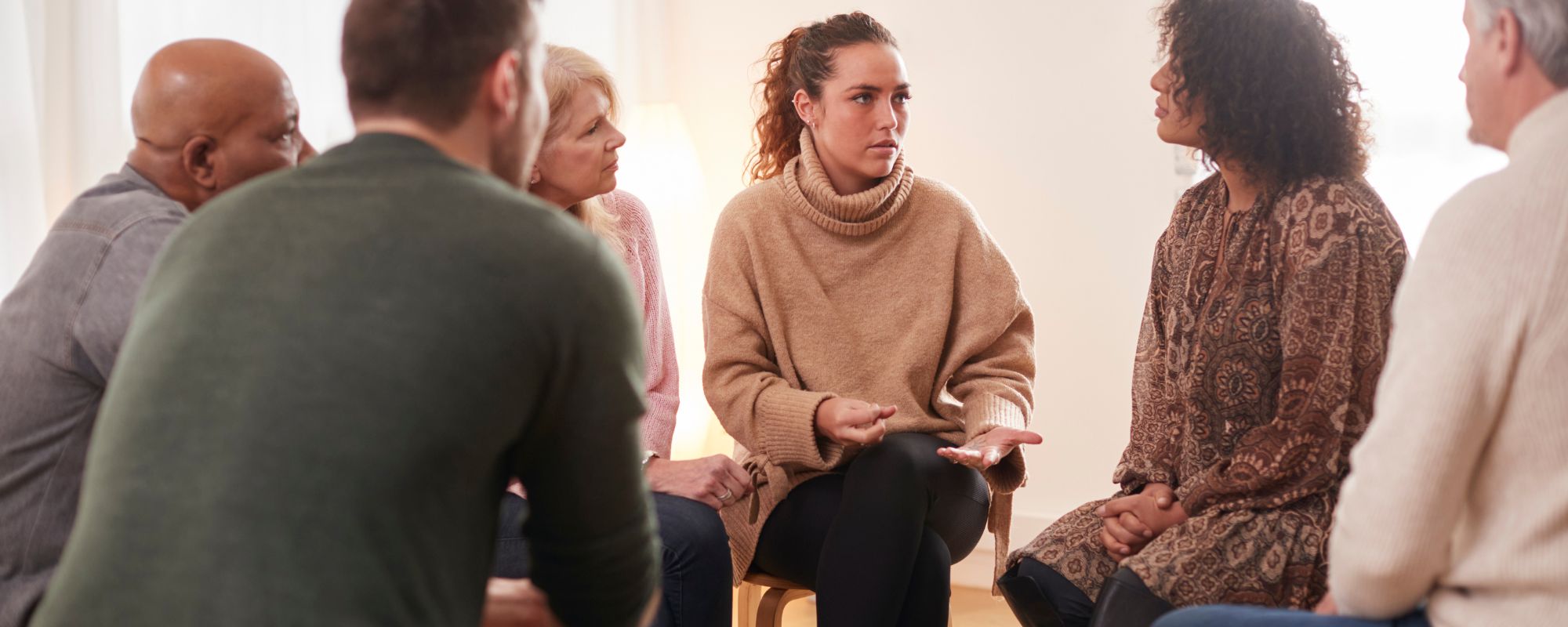
Therapy often takes place in a one-on-one setting with your counselor or psychologist. But group therapy is another valuable approach you might try because it connects you with other people facing similar struggles and addictions. Sharing experiences in a supportive environment reminds you that you’re not alone — that you’re surrounded by people who care — and helps you learn from people who understand what you’re going through.
Similar to group therapy are 12-Step programs like Marijuana Anonymous or SMART (short for Self Management and Recovery Training) Recovery, outlets after you’ve completed formal rehab to stay motivated, avoid relapse and manage cravings and triggers.
An addiction can affect and impact the whole family system. Marijuana recovery programs like those offered at Aliya Health’s centers become another treatment option — therapy sessions that can help to repair trust and improve communication between you and your loved ones.
Then there are additional adjunctive, holistic therapies that address how addiction affects your mind, body and spirit — and how you can harness this connectivity within yourself through yoga, mindfulness practices, stress management techniques, exercise programs, artistic expression and more.
Weed Detox and Withdrawal
One of the biggest hurdles to quitting marijuana — especially after months or years of chronic use — is the withdrawal phase. Today’s strains of THC (the main psychoactive compound in cannabis) are stronger than they were years ago, making it easier to become dependent on marijuana. And the THC you consume is stored in adipose tissue (your body’s fat cells), meaning it stays in the body longer than many other substances. Thus, the detoxification process when ceasing cannabis use can be physically and mentally demanding and take some adjusting to.
Weed detox and withdrawal symptoms often include:
- Irritability and mood swings
- Insomnia or vivid, disturbing dreams
- Intense cravings
- Anxiety or depression
- Loss of appetite
The time it takes to fully withdraw from marijuana can vary from person to person. In general, symptoms typically begin within the first 24 to 48 hours after last using cannabis, when restlessness or irritability may begin. Peaking on the third day, many people may experience stomach discomfort or excessive sweating in tandem with cravings. Within the first week to 10 days from quitting, depressive or anxiety symptoms may begin — a psychological response to being without the drug.
This can make the idea of quitting marijuana on your own feel intimidating, leading many people to continue using cannabis just to avoid withdrawal. Detoxing under the caring supervision of cannabis addiction treatment staff (doctors, nurses and addiction specialists) can help manage, mitigate and even avoid many of these symptoms. They’re experienced in addiction treatment and equipped with the necessary tools to make the experience safe, seamless and comfortable.
Benefits of Rehab for Weed Addiction
Think about how entering a program for cannabis abuse help can help your health and well-being in the long-term:
A supportive environment
Choosing to enter a program for cannabis abuse help brings unexpected changes. Many people first notice how different their days feel without constantly planning around getting high. The safety, structure and positive influence of rehab for weed environment is a chance to remove your usual routines — no dealers to text (in states where recreational use remains illegal), no dispensary runs, no friends arriving with joints. This gives your brain time to remember functioning without THC, often for the first time in years.
Relapse prevention
Because marijuana is so accessible and addictive, studies show that relapsing (returning to drug use after a period of sobriety) happens all too frequently. Relapse can happen in stages — from the emotional to the mental and physical, and triggers can be powerful. Maybe youalways reached for marijuana after arguments, or Sunday afternoons tend to trigger use because of boredom. But treatment helps you develop real alternatives — scheduling activities for vulnerable times or using mindfulness or breathing exercises without turning to cannabis.
A strong support system
Counseling and peer groups provide an outlet to be heard, understood and supported. That means you’re surrounded by counselors (many of whom have been through recovery firsthand) and other people, just like you, in rehab for the same reasons; people who know what day three of withdrawal feels like, or who understand the feeling that triggers bring, the frustrations of relapse or the sense of accomplishment that newfound sobriety can bring. It’s a place to feel understood, lean on others for support and offer your own.
Healthy coping mechanisms and life skills
Chronic abuse of any substance can take you away from the everyday skills so important to living life. Self-care, responsibilities, school grades, job performance, even social skills can fall to the wayside and be difficult to relearn or readopt when drug abuse takes precedence or a toll. But being in recovery often means relearning those essentials that marijuana may have dulled, rediscovering lost interests and repairing damaged relationships. It also means adopting the life skills to handle difficult emotions without using cannabis to escape them, tools to last a lifetime when treatment concludes.
Frequently Asked Questions (FAQs)
How long does a typical weed rehab program last?
Marijuana rehab programs can vary in length depending on your symptoms, the severity of your addiction and your own individual needs from rehab. Inpatient/residential treatment can last anywhere from 30, 60 or 90 days and include a period of medical detox and intensive therapy. Many people transition to outpatient treatment for several months when they’re able to live independently and autonomously, with the frequency of sessions decreasing as you progress.
Can I do rehab for weed while working or studying?
Yes, outpatient and IOP programs are designed precisely with this in mind: to accommodate people who need to prioritize recovery but also maintain their responsibilities, whether it’s a job, a busy college semester or raising a family. A day program’s schedule works around yours so you can fit therapy into your mornings, afternoons, evenings, even weekends, so treatment and life fit into the timetable that suits you best.
What if I relapse after rehab?
Relapse doesn’t mean that you failed, or that treatment was a wasted effort. It just means that you’re human, fallible and doing your best to stay on course. The good thing about being in rehab is that relapse is considered a valuable part of the recovery journey — that reaching out for help and staying the course are tangible steps you can take to get back on track. It might mean readjusting or tailoring your individualized treatment plan to include a different type of therapy or more emphasis on new coping mechanisms and skills to help you better understand why you relapsed and how to minimize it in the future.
Are rehab programs covered by insurance?
Many health insurance providers can vary in their coverage of substance abuse treatment and behavioral health services depending on the carrier or the type of plan you’re enrolled in. Some plans may cover the entire cost of treatment, while others require meeting a deductible before coverage begins. Others also offer coverage at a discounted rate. The Aliya Health admissions team can verify your insurance coverage and do this legwork for you to determine what costs are covered for drug rehab for pot. And if any out-of-pocket costs are projected, we can help arrange you a payment plan that makes treatment accessible and available to you.
Get Help for Substance Abuse
Struggling with marijuana doesn’t mean you’re weak or that you’ve done something wrong. It means that you’re dealing with a substance that’s had a real impact on your brain and behavior. The fact is that you can get help for marijuana dependence, turn over a new leaf and gain a new lease on life that sees you living, thriving and succeeding better than you may imagine.
If you or a loved one is struggling with weed use, professional rehab programs can provide the structure, support and therapy needed for lasting recovery. Contact a certified treatment center today to start your journey. Our team is on call, 24/7/365, to answer your questions about rehab for weed and guide you through the steps you can take to get clean, sober and reach goals that may have seemed unimaginable. Give us a call today.
- https://disa.com/marijuana-legality-by-state/
- https://drugabusestatistics.org/marijuana-addiction/
- https://dictionary.apa.org/denial
- https://my.clevelandclinic.org/health/diseases/marijuana-weed-withdrawal
- https://www.ncbi.nlm.nih.gov/books/NBK64088/
- https://www.apa.org/ptsd-guideline/patients-and-families/cognitive-behavioral
- https://pmc.ncbi.nlm.nih.gov/articles/PMC8132760/
- https://marijuana-anonymous.org/
- https://smartrecovery.org/
- https://health.clevelandclinic.org/how-to-quit-smoking-weed
- https://pmc.ncbi.nlm.nih.gov/articles/PMC9110555/#:~:text=The%20most%20common%20features%20of,tension%2C%20sweating%20and%20stomach%20pain.
- https://pmc.ncbi.nlm.nih.gov/articles/PMC3522776/
- https://pmc.ncbi.nlm.nih.gov/articles/PMC4553654/