
Key Takeaways:
- Cultural and Emotional Drivers: Young adults turn to Farmapram bars due to academic stress, social pressures, and untreated anxiety, seeking temporary relief from overwhelming expectations.
- Social Media’s Role: Platforms glamorize Farmapram use, normalizing it through memes, influencer content, and easy online access, making it appear harmless.
- Peer Pressure and Accessibility: Casual sharing of Farmapram in social circles fosters a sense of belonging, making it harder for individuals to recognize the risks.
- Addiction and Danger: Farmapram’s addictive nature and the prevalence of counterfeit pills laced with fentanyl pose severe risks, including dependency and potential fatality.
Question:
Why are young adults are turning to Farmapram bars?
Answer:
Farmapram bars, a form of alprazolam, are increasingly popular among young adults due to stress, social media influence, and peer pressure. Teens and college students face immense academic and social demands, often turning to Farmapram for quick relief from anxiety. Social media glamorizes its use, portraying it as a trendy coping mechanism while making it easily accessible through online platforms. Peer pressure further normalizes casual use, with friends sharing pills as a way to bond. However, this seemingly harmless behavior carries significant risks. Farmapram is highly addictive, with users quickly developing tolerance and dependency. The danger escalates with counterfeit pills, often laced with lethal substances like fentanyl, making experimentation potentially fatal. Understanding these factors is crucial for young adults and parents to recognize the risks and seek healthier coping strategies. Professional support can help individuals navigate these challenges and build a safer, substance-free future.
You might have heard the name whispered in the halls of a high school, mentioned casually at a college party, or noticed it popping up on a teenager’s social media feed. Farmapram bars are becoming increasingly common in young adult social circles. But why are teens and college students reaching for this specific substance?
To understand this trend, we need to look beyond the chemistry of the pill. We must look at the immense pressures young people face daily. From relentless academic expectations to the curated perfection demanded by social media, the drive to find a quick escape is stronger than ever.
In this article, we will explore the emotional and cultural factors behind Farmapram use. We will uncover the powerful role of social-media influence, examine how peer pressure normalizes casual use, and highlight the very real danger of sliding from occasional relief into full-blown addiction. If you are a young adult trying to navigate your social life, or a parent seeking to protect your child, understanding these dynamics is the first step toward staying safe.
What Exactly Are Farmapram Bars (Mexican Xanax)?
Before we examine the psychological reasons behind their popularity, it helps to understand what Farmapram bars are. Essentially, Farmapram is a brand name for alprazolam, which is the same active ingredient found in Xanax. It is a benzodiazepine alprazolam, commonly found in Mexican Xanax bars. Manufactured in Mexico, these anti-anxiety medications frequently make their way across the border and into local communities.
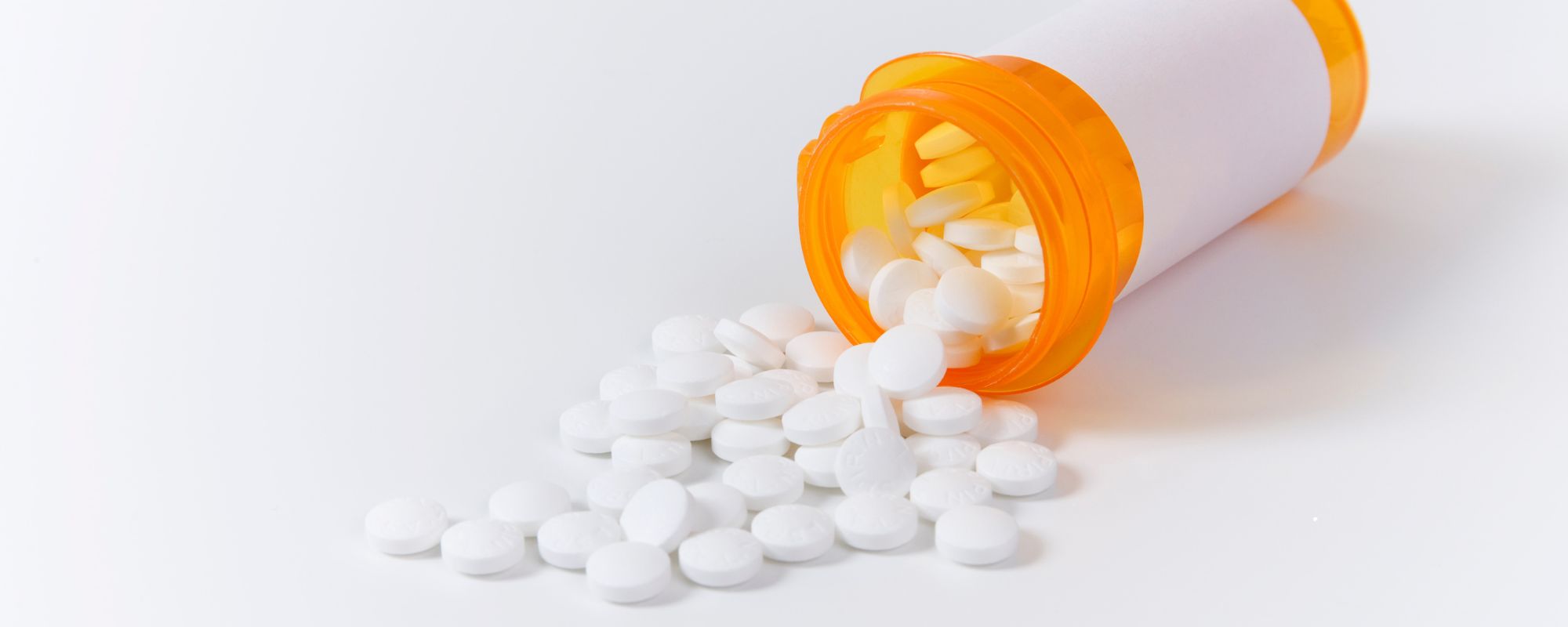
Because they bypass the strict regulations of the U.S. healthcare system, they are often cheaper and easier for young people to acquire without a prescription. They typically look like white rectangular pills, which is why users refer to them as “bars.” Farmapram is sometimes referred to as Mexican Xanax Farmapram, and there is significant risk associated with unregulated or counterfeit versions, including concerns about quality control and safety. But the appeal of Farmapram goes far beyond its price tag. The real draw lies in what the pill promises: immediate relief from an overwhelming world.
Verify Your Insurance
Farmapram vs. Other Medications
Farmapram, often referred to as Mexican Xanax, is a benzodiazepine prescribed to treat anxiety disorders and panic disorders. Like Xanax, Farmapram contains the same active ingredient—alprazolam—which works by enhancing the calming effects of the neurotransmitter GABA on the central nervous system. This action helps reduce anxiety symptoms and manage panic attacks, making it a popular choice for those struggling with anxiety and panic disorders.
However, there are important differences between Farmapram and other medications used to treat anxiety disorders. While Xanax and similar drugs manufactured in the United States are subject to strict regulatory standards, Farmapram is produced in Mexico, where oversight and quality control may not be as rigorous. This lack of regulation can lead to inconsistencies in dosage, purity, and safety, increasing the risk of serious health complications for users.
For individuals seeking to treat anxiety and panic disorders, understanding these differences is crucial. Using unregulated medications like Farmapram can expose users to significant health risks, including the potential for counterfeit pills and unpredictable side effects. Consulting with healthcare professionals and choosing medications that are manufactured under strict guidelines can help ensure safer and more effective anxiety management.
Looking for quality treatment for substance abuse and mental health that’s also affordable? Aliya Health Group's treatment facilities accept most major insurance providers. Get a free insurance benefits check now!
Check Your CoverageThe Pressure Cooker: Stress and Mental Health
We ask a lot of young adults. They face an unprecedented amount of stress, and their mental health often pays the price. Anxiety and depression are closely linked, and understanding this connection is crucial for effective support. Resources such as the Anxiety & Depression Association of America and other depression association organizations can provide valuable information and assistance. When we look at youth use of anti-anxiety medications, we cannot ignore the sheer weight of expectations resting on their shoulders.
Academic and Social Burnout
High school and college students operate in highly competitive environments. They constantly juggle heavy course loads, extracurricular activities, part-time jobs, and the pressure to secure a successful future. The fear of falling behind creates a persistent, low-grade anxiety that can easily escalate into severe panic.
When a young person feels like they are drowning in responsibilities, a substance that offers sudden relaxation feels incredibly tempting. Farmapram bars quiet the racing thoughts. They numb the fear of failure. For a brief moment, the intense pressure to perform simply vanishes. Unfortunately, this temporary escape often masks a growing inability to cope with normal life stressors.
Self-Medicating Anxiety
Many young adults struggling with undiagnosed or untreated anxiety disorders turn to self-medication. Scheduling a doctor’s appointment, speaking to a therapist, and waiting for an official prescription can feel like a daunting, shameful process. Grabbing a pill from a friend offers immediate, unquestioning relief.
When you feel entirely consumed by social anxiety or panic attacks, the promise of a quick fix is deeply alluring. Farmapram effectively shuts off the body’s anxiety response. Users may also experience difficulty concentrating as a side effect of the medication, due to its impact on the central nervous system. However, relying on an unprescribed substance means users miss out on learning healthy, sustainable coping mechanisms. The underlying anxiety never actually goes away; it simply waits for the medication to wear off, often returning stronger than before.
The Screen Effect: Social-Media Influence
You cannot discuss youth culture without talking about the internet. Social media fundamentally shapes how young people view the world, their peers, and themselves. When it comes to substance use, the digital landscape plays a massive role in normalizing and distributing dangerous trends.
Glamorization on Apps
Social-media influence heavily dictates what is considered acceptable or cool. On various platforms, users often stumble across videos, memes, and posts that casually joke about using anxiety medication to get through the day. Influencers might subtly reference “popping a bar” to deal with drama, while popular music frequently romanticizes the numbness these pills provide.
This constant exposure strips away the clinical reality of the drug. Instead of viewing Farmapram as a powerful psychiatric medication with severe risks, young adults start to see it as a normal lifestyle accessory. The algorithms feed them content that validates their anxiety and presents the pill as the ultimate, culturally approved solution.
Easy Access Online
Beyond cultural glamorization, the internet makes obtaining these substances terrifyingly simple. Young adults no longer need to navigate dangerous physical spaces to find what they are looking for. Transactions happen through encrypted messaging apps, hidden social media groups, and anonymous forums.
Dealers use emojis and slang to advertise their products right next to standard teenage content. This digital accessibility removes the traditional barriers to entry. A college student studying late in their dorm room can arrange a purchase with a few taps on their screen. The ease of access makes the decision to try Farmapram bars feel less like a major risk and more like a casual, low-stakes choice.
Online sources may also offer other substances alongside Farmapram, increasing the risk of dangerous drug interactions, especially when combined with alcohol or without healthcare supervision.
Get confidential help from our addiction and mental health treatment facilities located across the United States. Call to join one of our quality programs today!
Speak With Our Admissions TeamFitting In: The Role of Peer Pressure
While digital spaces shape broader trends, immediate social circles dictate daily behavior. Peer pressure remains a massive driver of youth use, but it rarely looks like the aggressive bullying depicted in old television commercials. Today, peer pressure is much more subtle.
Casual Use in Social Circles
Imagine walking into a party feeling socially anxious, and someone hands you a piece of a Farmapram bar, promising it will help you loosen up. If everyone around you is taking it and laughing, declining the offer can make you feel isolated or uncool.
In many friend groups, sharing unprescribed medication is seen as an act of bonding or generosity. “Take this, it will help you chill out,” is a common refrain. Young adults desperately want to belong. They want to experience the same relaxed, carefree state their peers seem to enjoy. This desire for connection and shared experience easily overrides logical concerns about drug safety.
When your closest friends treat Farmapram bars like a harmless way to unwind on a Friday night, it becomes incredibly difficult to recognize the underlying danger. You start to rationalize your own use, telling yourself that since everyone else is doing it and doing fine, you will be fine too.
When Casual Use Slides into Addiction and Withdrawal Symptoms
The most insidious aspect of Farmapram from Mexico is how quietly it transitions from a casual weekend habit into a life-threatening addiction. Farmapram addiction is a form of benzodiazepine addiction, which is recognized as a serious substance use disorder. Most young adults do not start taking these pills with the intention of becoming dependent. They just want a break from their own minds.
Signs of Farmapram Addiction
Recognizing the signs of Farmapram addiction is essential for early intervention and effective addiction treatment. One of the first indicators is increased tolerance—needing higher doses of Farmapram pills to achieve the same calming effect. Over time, individuals may develop both physical and psychological dependence, finding it difficult to manage anxiety symptoms or daily stress without the medication.
When someone tries to stop or reduce their use, they may experience severe withdrawal symptoms such as intense anxiety, insomnia, muscle spasms, and even seizures. These uncomfortable withdrawal symptoms can make quitting feel impossible without professional help. Other warning signs include neglecting responsibilities at school, work, or home, experiencing social or relationship problems, and continuing to use Farmapram despite negative consequences to physical health or mental well-being.
If you or someone you know is showing these signs, it’s important to seek professional help. Addiction treatment programs can provide medical support to manage withdrawal symptoms and address the underlying psychological dependence, paving the way for a healthier, substance-free future.
The Hidden Risks of Benzodiazepines
Farmapram contains alprazolam, a highly addictive benzodiazepine. The human brain rapidly builds a tolerance to this class of drugs. What starts as a half-bar at a party soon becomes a full bar just to feel normal. Before long, users might find themselves needing the medication to sleep, to attend class, or to socialize.
As dependency grows, the withdrawal symptoms become severe. Stopping benzodiazepines abruptly can cause terrifying rebound anxiety, tremors, insomnia, and even life-threatening seizures. Because of these risks, withdrawal should always occur under medical supervision to ensure safety and manage complications. Many young people find themselves trapped in a vicious cycle: they take Farmapram to avoid the awful feelings of withdrawal, further cementing their physical and psychological addiction. In these cases, a medically supervised detox or medical detox is often necessary to safely manage withdrawal symptoms and reduce the risk of serious health complications.
Fake Pills and Fentanyl Dangers
Perhaps the most terrifying risk facing young people today is the sheer unpredictability of the illicit drug supply. When you buy Farmapram bars on the street or through social media, you have no way of knowing what you are actually swallowing.
Counterfeit pills flood the market. Drug trafficking organizations frequently press dangerous synthetic opioids, like fentanyl, into pills designed to look exactly like prescription medication. A fatal dose of fentanyl is small enough to fit on the tip of a pencil. A young person might think they are taking a standard anxiety pill to relax, only to accidentally ingest a lethal amount of a completely different drug. The stakes of casual experimentation have never been higher.
Alternative Anxiety Treatment Options
For those looking to manage anxiety and panic disorders without relying on Farmapram or other benzodiazepines, there are several effective alternatives. Cognitive behavioral therapy (CBT) and dialectical behavior therapy (DBT) are evidence-based approaches that help individuals identify and change unhelpful thought patterns, develop healthier coping mechanisms, and reduce anxiety symptoms over time. These therapies are widely used in anxiety treatment and can be tailored to address specific mental health symptoms.
In addition to therapy, lifestyle changes such as regular exercise, a balanced diet, and practicing stress reduction techniques like mindfulness or meditation can play a significant role in treating anxiety disorders. For some, medications like selective serotonin reuptake inhibitors (SSRIs) or serotonin-norepinephrine reuptake inhibitors (SNRIs) may be recommended by healthcare professionals to treat anxiety and panic disorders safely and effectively.
Exploring these treatment options with a qualified mental health provider ensures that individuals receive personalized care that addresses both the symptoms and underlying causes of anxiety. With the right support, it’s possible to manage anxiety and panic disorders without the risks associated with Farmapram or other benzodiazepines.
The Role of Family and Friends
Family and friends are vital allies in the recovery journey for individuals struggling with Farmapram addiction or anxiety disorders. Their support can make a significant difference in encouraging loved ones to seek professional help and stay committed to the treatment process. By offering understanding, patience, and emotional support, family members and friends help create a safe environment where individuals feel empowered to address their mental health issues.
It’s important for loved ones to educate themselves about anxiety disorders, the risks of Farmapram addiction, and the steps involved in recovery. Being non-judgmental and open to honest conversations can help reduce stigma and make it easier for individuals to ask for help. Whether it’s attending therapy sessions together, helping manage daily stress, or simply listening without criticism, the involvement of family and friends can provide the motivation and accountability needed for a successful recovery journey.
Supporting someone through addiction treatment and mental health recovery is not always easy, but with compassion and knowledge, family and friends can play a crucial role in helping their loved one achieve lasting wellness.
How to Find Your Way Forward: Addiction Treatment Options
Understanding why young adults turn to Farmapram bars is crucial, but taking action is what saves lives. If you are a young person reading this, know that your anxiety, stress, and desire to fit in are completely valid. The pressures you face are real. However, relying on unprescribed medication will ultimately trap you in a cycle of dependency and fear. You deserve genuine, lasting peace of mind, not a temporary, dangerous chemical fix.
If you are a parent noticing these trends in your child’s social circle, approach the topic with empathy rather than anger. Open a dialogue about their stress levels. Ask them what they are seeing on social media. Make sure they understand the lethal risks associated with counterfeit pills, and let them know you are there to support them through their mental health struggles.
At Aliya Health Group, we understand the complex web of social, emotional, and digital pressures driving substance use today. We know that behind every pill is a person looking for relief. If you or someone you love is struggling with Farmapram use or severe anxiety, you do not have to figure it out alone. Farmapram addiction treatment and farmapram addiction treatment programs are available, offering both inpatient residential treatment and outpatient treatment options tailored to individual needs. Residential treatment and inpatient treatment provide a structured, supportive environment for recovery, while outpatient treatment allows individuals to receive ongoing care and therapy while living at home. Comprehensive recovery plans also include mental health treatment to address underlying mental health issues that contribute to addiction, ensuring long-term stability and well-being. Managing panic attacks is often a key component of treatment for those recovering from Farmapram addiction, helping individuals regain control and build healthier coping strategies. Professional, compassionate help is available to guide you toward safe, effective coping strategies and a healthier, substance-free future. Reach out today to start the conversation.
- Symptoms of Anxiety and Depression Among Adults: United States, 2019 and 2022 | National Health Statistics Reports
- Anxiety Disorders – Facts & Statistics
- Benzodiazepines: What They Are, Uses, Side Effects & Risks
- Prescribing Statistics – Benzodiazepine Information Coalition
- What is Farmapram called in the US?
- FARMAPRAM
- Large amount of anxiety pills seized at the Falfurrias Checkpoint | U.S. Customs and Border Protection
- Addiction: Part I. Benzodiazepines—Side Effects, Abuse Risk and Alternatives | AAFP