Key Takeaways:
- Cocaine leaves the body quickly, but detection times vary by test.
The blog explains that cocaine has a short half-life, meaning it is metabolized rapidly, but drug tests detect its metabolites, which stay in the body longer. - Detection windows differ by method.
Cocaine is typically detectable for about 1–2 days in blood and saliva, several days in urine, and up to 90 days in hair, depending on the test used. - Individual factors affect how long it stays in your system.
Metabolism, frequency of use, overall health, and body composition can all influence how quickly cocaine and its metabolites are eliminated. - Cocaine is highly addictive and poses serious health risks.
The article emphasizes its impact on the brain’s dopamine system and links use to risks like heart attack, stroke, and addiction, reinforcing the importance of treatment.
Question:
How long does cocaine stay in your system?
Answer:
Known by many street names, such as coke, blow, and snow, cocaine is a strong stimulant that speeds up the body’s central nervous system. It can make you feel more alert, energetic, talkative, and happy. These positive effects are likely the reason for its widespread use. In 2020, over 5 million Americans aged 12 and older reported using cocaine in the past year. Out of all illicit drugs, cocaine use remains incredibly popular, second only to marijuana.
Cocaine is a fast-acting stimulant that leaves the body relatively quickly, but its metabolites can remain detectable for longer depending on the type of drug test used. While the drug itself may clear from the bloodstream within a short time, testing methods like urine, saliva, and hair can identify traces for days or even months. Detection windows vary widely, with blood and saliva typically showing recent use and hair tests revealing long-term patterns. The exact length of time cocaine stays in the system depends on factors such as metabolism, frequency of use, overall health, and body composition. Despite its short-lived high, cocaine can have serious and lasting effects on the brain and body, including a high risk of addiction and cardiovascular complications. Withdrawal symptoms can begin within a few hours after last use. The blog emphasizes that understanding these timelines is important, but seeking professional help is essential for individuals struggling with cocaine use.
Cocaine is an illegal stimulant drug that’s highly addictive. It creates a short but intense high and is extremely habit-forming. Many people wonder, “how long does cocaine stay in your system after using it?” The amount of time cocaine can be detected in your body depends on several factors.
What Is Cocaine?
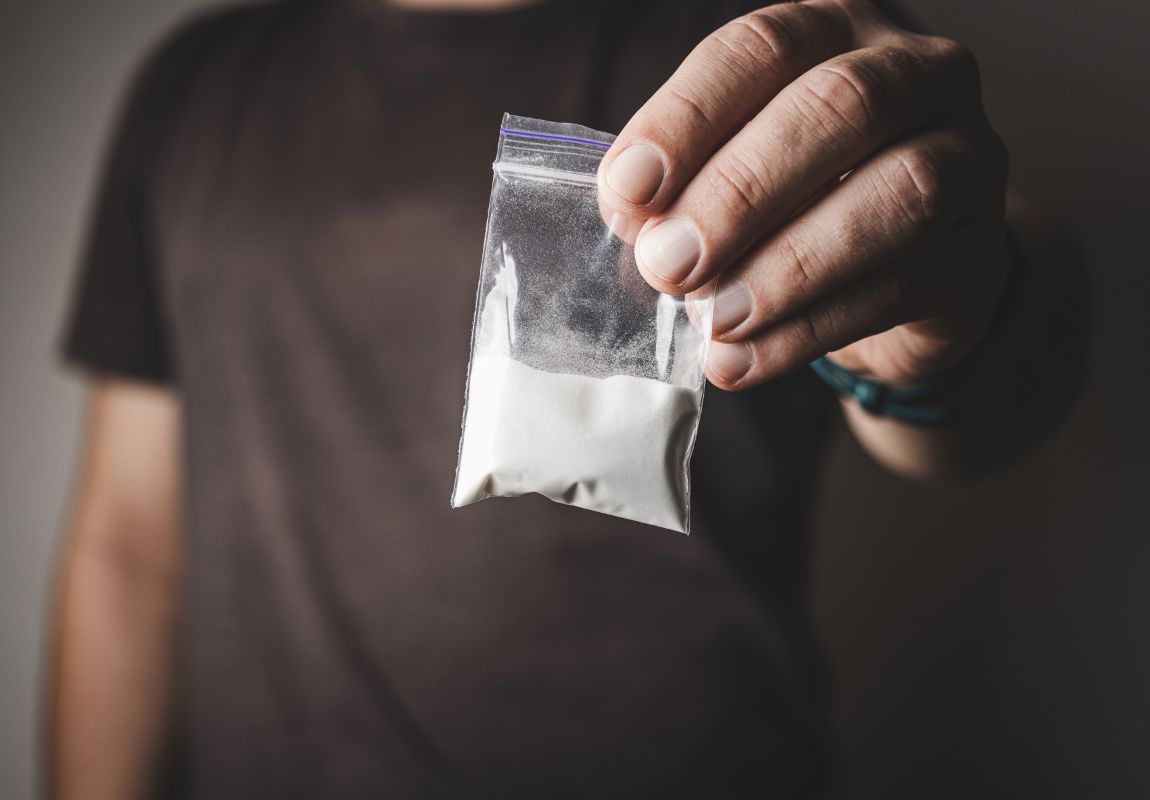
Cocaine is a powerfully addictive stimulant made from the leaves of a coca plant native to South America. It turns into a white powdery substance that can be snorted, smoked, or injected for a quick high.
Cocaine comes in a few different forms:
- Powder cocaine is a fine, white crystalline powder that’s typically snorted. People also inject cocaine with needles for a more intense but shorter high.
- Crack cocaine is a form of cocaine that’s processed into a rock crystal form, heated, and smoked. For those wondering, “is crack cocaine,” the main difference between crack and cocaine the speed of delivery. Compared to cocaine, crack delivers a quicker and more intense high. It’s also more addictive, cheaper, and carries greater social stigma.
Known by many street names, such as coke, blow, and snow, cocaine is a strong stimulant that speeds up the body’s central nervous system. It can make you feel more alert, energetic, talkative, and happy. These positive effects are likely the reason for its widespread use. In 2020, over 5 million Americans aged 12 and older reported using cocaine in the past year. Out of all illicit drugs, cocaine use remains incredibly popular, second only to marijuana.
How Does Cocaine Work?
Similar to other stimulants, cocaine floods the brain’s reward system with the feel-good chemical dopamine which results in an intense euphoric effect. Under normal circumstances, the brain releases normal amounts of dopamine in response to pleasurable activities, but cocaine use causes an abnormal surge far beyond these normal amounts. With repeated stimulant use, the brain starts to need cocaine to feel normal. Repeated stimulant use can lead to stimulant use disorders, which are formally diagnosed using DSM-5 criteria. Cocaine addiction can develop quickly, even after trying the drug only a few times. As a result, 1.5 million people meet the DSM-5 criteria for cocaine use disorder (CUD).
No matter how it’s used, cocaine is a dangerous, addictive substance that comes with serious health risks like heart attack, stroke, and sudden death. This is because cocaine narrows blood vessels, raises blood pressure, and increases heart rate and body temperature, which can be dangerous.
Get confidential help from our addiction and mental health treatment facilities located across the United States. Call to join one of our quality programs today!
Speak With Our Admissions TeamHow Long Does Cocaine Stay in Your System?
If you are concerned about how long cocaine will stay in your system, it is important to understand that the exact amount of time can vary based on individual factors such as metabolism, frequency of use, and overall health. Detection times can also vary significantly for a cocaine user depending on their usage patterns.
However, there are some drug testing guidelines that can give you an idea of what to expect. In general, cocaine can be found for different lengths of time in blood, saliva, urine, or hair tests. For those with long term cocaine use, the drug may accumulate in the body, leading to longer detection windows and an increased risk of health complications.
How long does cocaine stay in your blood?
When it comes to blood tests, cocaine can typically be detected within 1-2 days after last use. This is because the drug enters the bloodstream quickly and then leaves just as fast. For heavy and chronic users, it may take up to 4 days for cocaine to be completely eliminated from the body. In general, blood testing looks for actual cocaine rather than its byproducts.
How long does cocaine show up in saliva?
To find cocaine in saliva, there is an equally short window. Similar to blood tests, saliva testing can detect cocaine for 1-2 days after last use. For this reason, saliva tests are usually reserved for recent suspicious or on-the-job situations. Saliva tests can show up positive for cocaine metabolites, such as benzoylecgonine, which can remain in the saliva for a longer period of time.
How long does cocaine stay in urine?
To find cocaine in urine, there is a slightly longer window of time available. Urine tests look for cocaine byproducts that stay in the body longer. A common one is benzoylecgonine, detected for 3-4 days after moderate use. In heavy users, cocaine may show up for 7-10 days or more. Urine tests are the cheapest and most common testing process. However, cocaine disappears from urine faster than many other drugs.
How long does cocaine show up in hair tests?
Hair has the longest detection window for cocaine, staying up to 90 days or more after stopping use. Cocaine byproducts get inside hair and can confirm use over long periods of time. Tests that identify cocaine in hair can estimate the amount of times the drug was used based on levels of the drug present. This is due to the fact that hair follicles contain a record of drug use during the past three months. As a result, these drug tests are often used in court cases when past drug use is under question.
What Affects How Long Cocaine Stays in Your System?
Many factors affect how long cocaine, and its byproducts, stay in the body. Factors that effect how long cocaine stays in your system include:
-
Amount used – The more a person uses cocaine, the longer it takes to leave the body. Larger doses take more time to fully break down and remove from the body.
-
How it’s used – When people inject or smoke the drug, it tends to leave the body faster than when people snort cocaine.
-
How often it’s used – Frequent or long-term cocaine abuse can result on a build-up of cocaine in the body’s tissues and fat cells, increasing the time it remains in the body.
-
Purity of the drug – Higher purity cocaine can stay in the body longer due to its stronger potency. This is why crack cocaine leaves the body faster than powder cocaine. The same principle applies to cocaine that is heavily mixed with baking soda or vitamin powders.
-
Body chemistry – Cocaine leaves some people’s bodies faster based on their genetics, liver function, and metabolism.
-
Hydration levels – The more hydrated the body is, the faster it can eliminate substances like cocaine. On the other hand, dehydration can slow down this process and prolong the presence of drugs in the body.
These factors not only influence detection times but also contribute to the physical effects of cocaine on the body, including potential harm to the heart, brain, and other organs.
It’s important to keep these factors in mind when considering how long cocaine may stay in your system. While there are general guidelines for how long a drug may remain detectable, it ultimately depends on individual circumstances.
Cocaine Overdose Prevention
Cocaine overdose is a life-threatening emergency that requires immediate attention. As a highly addictive stimulant, cocaine poses significant risks—especially when used in large amounts, mixed with other substances like synthetic opioids, or in its potent crack cocaine form. The Drug Enforcement Administration (DEA) classifies cocaine as a Schedule II drug due to its high potential for abuse and addiction, underscoring the importance of overdose prevention for anyone struggling with cocaine use.
Recognizing the signs of a cocaine overdose can save lives. Severe symptoms may include dangerously high blood pressure, rapid or irregular heartbeat, chest pain, anxiety, paranoia, seizures, difficulty breathing, and even sudden heart attack or stroke. According to the National Institute on Drug Abuse, combining cocaine with other substances, especially synthetic opioids, dramatically increases the risk of fatal overdose. Crack cocaine, due to its intense and rapid effects on the central nervous system, also carries a higher risk of overdose and severe complications.
To prevent cocaine overdose, it’s crucial to avoid using cocaine altogether—especially in combination with other drugs. If you or someone you know is experiencing symptoms of overdose, such as seizures, chest pain, or difficulty breathing, call 911 immediately. Medical professionals can provide life-saving interventions, even though medications like naloxone (used for opioid overdoses) are not effective for cocaine overdose. Prompt medical care can help manage severe symptoms and reduce the risk of long-term physical health problems or death.
Prevention also means addressing the underlying causes of substance abuse. The Substance Abuse and Mental Health Services Administration (SAMHSA) and the American Psychiatric Association recommend seeking help from qualified addiction medicine professionals for both cocaine addiction and co-occurring mental health disorders. Treatment guided by the Diagnostic and Statistical Manual of Mental Disorders (DSM-5) often includes behavioral therapies, medication to manage withdrawal symptoms and cravings, and ongoing support for long-term recovery.
Education is another key component of overdose prevention. Understanding the health risks of cocaine use, recognizing the warning signs of overdose, and knowing when to seek help can make a critical difference. The National Institute on Drug Abuse and other national organizations offer resources for individuals, families, and healthcare providers to guide patients toward safer choices and effective treatment.
Ultimately, preventing cocaine overdose requires a comprehensive approach—avoiding drug use, seeking professional help for substance use disorder, and addressing mental health needs. If you or a loved one is struggling with cocaine addiction, reach out to a trusted treatment provider like South Coast Behavioral Health. With the right support, long-term recovery is possible, and the risk of life-threatening complications can be greatly reduced.
What Are the Signs of Cocaine Abuse?
Cocaine is a highly addictive stimulant drug that has serious physical and mental effects on the user. It is often glamorized in popular culture, but the reality of cocaine use can be devastating for both the individual and their loved ones.
If you or someone you know is using cocaine, it’s important to be aware of the signs of addiction and seek help if needed. Here are some key indicators that may suggest an addiction to cocaine:
Physical signs of cocaine abuse:
-
Dilated pupils and bloodshot eyes
-
Hyperactivity, constant talking
-
Nosebleeds and runny nose
-
Trembling and muscle twitches
-
Weight loss and lack of appetite
-
Sleep problems
Mental effects of cocaine abuse:
-
Euphoria and heightened energy
-
Irritability and aggression
-
Paranoia and anxiety
-
Restlessness and impulsivity
-
Hallucinations and delusions
-
Some users may experience hallucinations during or after cocaine use, especially with heavy or prolonged use.
-
Users may also experience mood swings as part of their psychological response to cocaine.
-
Depression is a common and sometimes severe withdrawal symptom, and mood swings are a frequent issue during withdrawal and recovery.
-
There is a risk of suicidal thoughts during severe withdrawal or depression.
-
Cocaine abuse can cause a range of psychological effects that impact emotional and mental well-being.
Behavioral changes caused by cocaine abuse:
-
Neglecting responsibilities, such as work or school
-
Financial problems due to spending money on cocaine
-
Relationship issues with family members and friends
-
Isolation from loved ones and social activities
-
Risky behaviors, such as driving under the influence or unprotected sex
-
Hiding drug paraphernalia like small bags and straws
-
Intense cravings are a major challenge for those trying to quit cocaine.
If you or someone you know is experiencing these symptoms, it may be a sign of . Psychological symptoms such as depression, anxiety, and mood swings can persist even after stopping cocaine. Seeking professional help is crucial in overcoming an addiction to cocaine.
Looking for quality treatment for substance abuse and mental health that’s also affordable? Aliya Health Group's treatment facilities accept most major insurance providers. Get a free insurance benefits check now!
Check Your CoverageWhat Is Cocaine Addiction Treatment Like?
Overcoming cocaine addiction is possible with professional treatment and support. In 2013, cocaine accounted for almost 6 percent of all admissions to drug abuse treatment programs.
When it comes to treatments for cocaine addiction, quality rehab programs provide comprehensive medical and psychological help, which may include the following:
-
Cocaine detox – Often the first step to recovery, detoxification is a set of medical interventions which aim to manage extreme intoxication and withdrawal. During a cocaine detox, the body is gradually helped to get rid of cocaine with medical supervision. Stimulant detox programs are specifically designed to manage withdrawal from cocaine and other stimulants. Stimulant withdrawal can involve a range of physical and psychological symptoms, such as fatigue, depression, anxiety, and intense cravings—these are common symptoms of stimulant withdrawal that may occur during detox. Medical supervision during substance withdrawal is crucial to ensure safety and address any complications that may arise.
-
Therapy – Therapy helps identify triggers, build coping skills, and prevent relapse. One type, called Cognitive Behavioral Therapy (CBT), teaches you how to change negative thoughts and behaviors linked to cocaine use. Regular sessions can help you deal with cravings and avoid using cocaine again. These therapy approaches are also effective for individuals struggling with stimulant addiction.
-
Drug addiction counseling – These counseling sessions provide education and substance use disorders and mental health issues to help patients better understand the impacts of cocaine addiction. Counseling is also beneficial for those with stimulant addiction.
-
Support groups – Group therapy and support from others in similar situations can be really helpful, too. Connecting with others in recovery provides accountability. Cocaine Anonymous groups exist worldwide.
-
Aftercare and relapse prevention – Ongoing counseling, groups, housing, or other continuing care help maintain sobriety. Activities like mindfulness and yoga can also improve emotional well-being.
Cocaine Addiction Treatment at Aliya Health Group
At Aliya Health Group, we want to give people fighting cocaine addiction the help they need to stop. Since people need different kinds of help, our treatment centers offer a full continuum of care that includes:
- Medical detox and sub-acute detox
- Inpatient treatment
- Partial hospitalization program (PHP)
- Intensive outpatient program (IOP)
- Outpatient treatment
- Sober living residences
- Aftercare plans
With support, therapy, and the right care, individuals can break free from addiction and build a better future. If you or a loved one are struggling with cocaine, call us today at 888-973-2078 or fill out our secure contact form. Our highly qualified staff is ready to resolve any questions or doubts you may have and help you get back on your feet.
Take the First Step Toward Recovery
Don’t let cocaine addiction control your life. You have the power to change, and we’re here to help. Cocaine use affects your body and mind in dangerous ways. Whether you’re smoking or injecting, the effects of cocaine can be devastating – from the immediate risks of cocaine overdose to long-term mental health disorders. The good news? Recovery is possible with the right support.
Why Act Now?
- Detection times for cocaine metabolites can affect your work and relationships
- Cocaine withdrawal becomes harder the longer you wait
- Inpatient treatment and outpatient treatment options are available to fit your needs
- Mental health assessments help address underlying personality disorders and mental health treatment needs
Your Path to Recovery Starts Today
✅ Verify your insurance online – Most plans cover drug and alcohol addiction treatment
✅ Choose your level of care – From residential treatment to online therapy
✅ Get personalized support – Our facility care team specializes in drug addictions
✅ Address all aspects – We treat both substance use and mental health disorders
The admission process is simple. The decision to get help is life-changing. You deserve a life free from addiction. Take the first step today.
- Key Substance Use and Mental Health Indicators in the United States: Results from the 2020 National Survey on Drug Use and Health | Substance Abuse and Mental Health Services Administration (SAMHSA)
- How is cocaine addiction treated? Cocaine Addiction Report| National Institute on Drug Abuse (NIDA)
- Detoxification and Substance Abuse Treatment: A Treatment Improvement Protocol | Substance Abuse and Mental Health Services Administration (SAMHSA)
- Cocaine Anonymous. CA.org